Lifetime Citizen Portal Access — AI Briefings, Alerts & Unlimited Follows
U.N. briefing urges restraint, independent probes after nationwide protests in Iran
Loading...
Summary
A U.N. briefing relayed the secretary‑general's alarm over reports of lethal force and mass arrests during nationwide protests in Iran, urged restoration of communications and independent investigations, and called for diplomacy to prevent regional escalation.
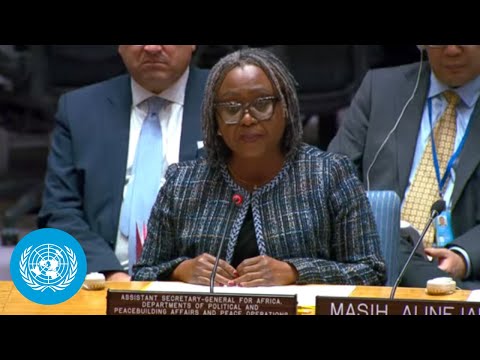
Martha Ama Akiyapobbe, a delegate who delivered the U.N. briefing, said the secretary‑general has expressed "deep concern over the reported excessive use of force in Iran" and urged immediate steps to prevent further casualties.
The briefing said demonstrations began in December 2025 when shopkeepers in Tehran's Grand Bazaar protested a sharp currency collapse and rising inflation; the unrest "rapidly evolved into nationwide upheaval," the speaker said, and was described as the largest protests since the Woman, Life, Freedom demonstrations of 2022. Ms. Akiyapobbe said protesters demanded "freedom, dignity, and human rights," and that some chanted pro‑monarchy slogans.
She told the meeting that initial protests were largely peaceful but there were "scattered clashes" between protesters and security forces, citing media reports, "our United Nations colleagues in the country," and accounts by the government of Iran. The briefing reported that on the evening of 8 January protests spread in Tehran and other major cities and that Iranian authorities imposed a "near total communications blackout," which "remains largely in place today," hampering independent verification of events.
According to the speaker, media and human rights groups allege security forces "reportedly killed hundreds or possibly thousands" of protesters and bystanders between 8 and 10 January, but, she added, "The United Nations is unable to verify these figures." The briefing also cited human rights monitors' estimates that detentions exceeded 18,000 as of mid‑January 2026, a figure the U.N. said it could not confirm.
The briefing summarized the Iranian government's account that "organized terrorists and rioters" infiltrated the protests and opened fire on both security forces and demonstrators. In response to those claims, the speaker said the secretary‑general "stressed that the rights to freedom of expression, association, and peaceful assembly enshrined in international law must be fully respected and protected" and called for restoration of access to information, including lifting the communications blackout.
Ms. Akiyapobbe said the U.N. called on Iranian authorities to respect due process, ensure humane treatment and family visits for detainees, halt any executions linked to protest‑related cases, and ensure that all deaths "are promptly, independently, and transparently investigated" with those responsible held to account "in line with international norms and standards."
The briefing warned that public statements suggesting possible military strikes on Iran "add volatility to an already combustible situation," and said the secretary‑general remains convinced that issues including the nuclear file and ongoing protests are best addressed through diplomacy and dialogue. She closed by reaffirming "the principles of the Charter," including the obligation of member states to settle disputes by peaceful means and the prohibition of the threat or use of force.
The chair thanked "Miss Pope" for the briefing and gave the floor to Miss Mercier, signaling that the meeting proceeded to the next speaker.