
Prosecutors warn against statutory overhaul of Giglio/Brady disclosures; committee tables LD 1671
Get AI-powered insights, summaries, and transcripts
Subscribe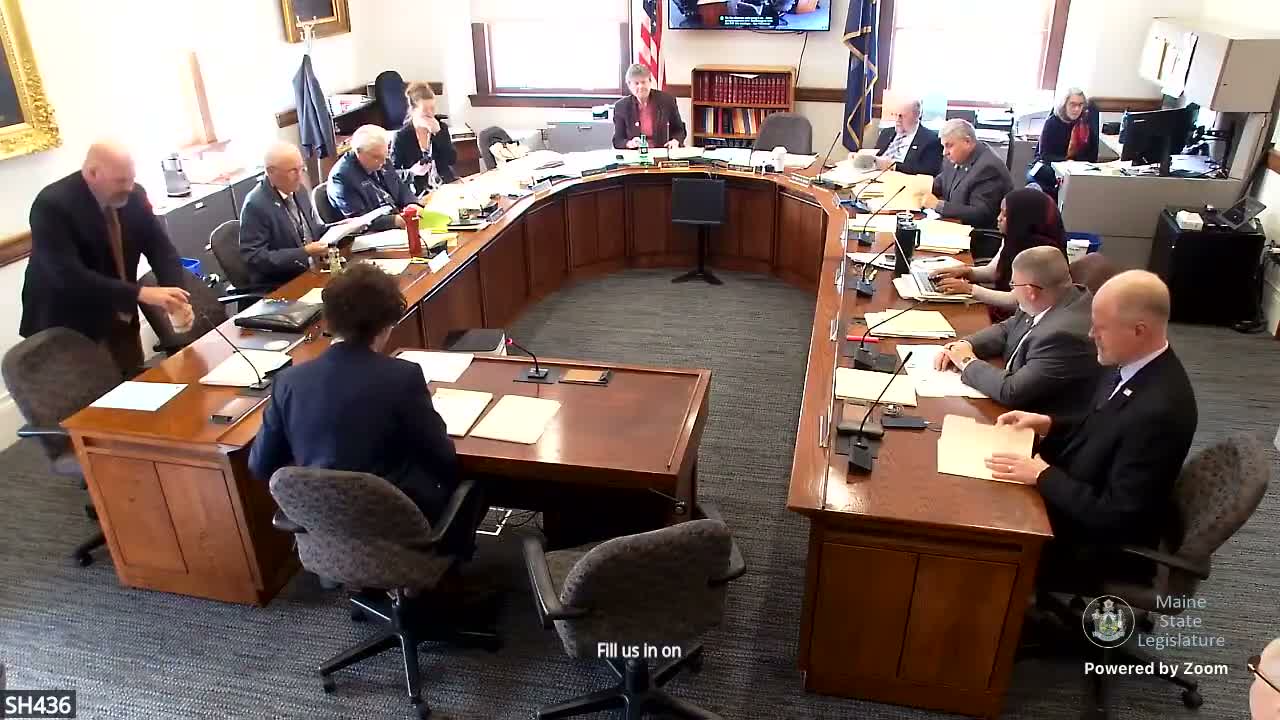
Summary
LD 1671 would codify procedures for disclosing law‑enforcement credibility information to prosecutors and defendants. Prosecutors cautioned the committee that Brady/Giglio is a prosecutorial obligation and the draft could create duplicative process, delays and resource needs; chiefs asked for due‑process protections for officers. The committee tabled the bill for further negotiation among stakeholders.
LD 1671 would require law‑enforcement agencies to disclose to prosecuting attorneys certain credibility information about officers who may be witnesses in criminal trials and would set procedures for prosecutors’ notification to officers and for removing inaccurate or false records.
Will framed the policy question against recent case law, noting federal decisions that encourage prosecutors to err on the side of caution when evaluating the materiality of impeaching information. Prosecutors’ representatives, including Shara Burns of the Maine Prosecutors Association, argued that disclosure determinations under Brady/Giglio are prosecutorial duties that require case‑by‑case assessment and opposed statutory language that would add procedural layers and delay nonconfidential disclosures. Burns said the proposed removal mechanism for credibility information raised practical and ethical concerns and would likely require a fiscal note for extra courtroom and staff time.
Police chiefs and associations urged clarity and due‑process protections for officers before a disclosure could be made to a defendant, saying unchecked or mistaken allegations can be career‑ending. Chief Chase Bone (Maine Chiefs Association) argued the bill should standardize practice across jurisdictions while ensuring a review path for officers.
Given those unresolved operational and constitutional questions and the need to align prosecutors, chiefs and law‑enforcement agencies, Representative Milliken moved to table LD 1671 to allow further negotiation; the committee agreed.
Next steps: prosecutors and law‑enforcement groups will continue negotiations on definitions, due‑process steps, notice timing and whether and how a statutory removal process would operate without contradicting prosecutorial constitutional duties.