Lifetime Citizen Portal Access — AI Briefings, Alerts & Unlimited Follows
Sherwood officials back policy for enhanced school crossings, but seek short-term fixes and traffic analysis
Loading...
Summary
City staff recommended pedestrian hybrid beacons at two elementary schools and keeping an existing half signal by the district building, but councilors pressed for an operational analysis and low-cost interim measures before committing funding to $400k–$600k devices.
City consultants recommended moving forward with pedestrian hybrid beacons (PHBs) for Hawkesview and Archer Glen elementary-school crossings while keeping the half signal in front of the district building, and recommended a traffic operational analysis during design once funding is identified. The recommendation followed a technical evaluation and feedback from the school district and the traffic safety board.
The consultant, identified in the meeting as project staff, summarized the technical findings and said council and district preferences favored a true signal over the lower-cost rectangular rapid flashing beacon (RRFB). "We want something more than flashing yellow lights. We'd like a signal that requires you to stop, a red indication," the presenter said during the briefing. The staff recommendation was to "advance the pedestrian hybrid beacon as part of the future design phases," with an operational analysis to model potential queuing and spillback.
Why it matters: the city is weighing safety gains for schoolchildren against traffic impacts and cost. Consultants estimated RRFB devices typically cost $50,000–$100,000, while pedestrian hybrid beacons generally range from about $400,000 to $600,000, depending on power source and site work. Councilors repeatedly raised concerns about whether the higher-cost devices would create queuing on Sherwood Boulevard and through Old Town, and whether temporary or low-cost options should be used while grant funding is pursued.
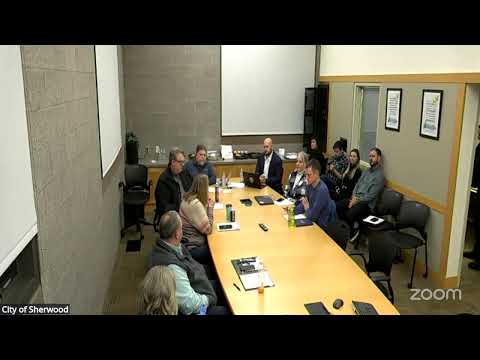
Council response and next steps: councilors and attendees debated tradeoffs at length. One attendee objected to spending on Sherwood Boulevard improvements, saying he "would not support spending a dollar" there; other councilors stressed child safety and asked staff to quantify the traffic impacts before committing to construction. Members asked staff to keep policy and short-term actions separate: adopt an enhanced-crossing policy (the "gold standard") to guide grant applications and new projects, and identify immediate, lower-cost mitigations (reused RRFBs, targeted enforcement, movable speed-enforcement cameras or temporary lane control) for crossings with documented near-term risks.
Staff said the operational analysis would model how a new signal would affect queue lengths and adjacent intersections and would be completed during the design phase once funding and timing are clear. The council asked staff to draft policy language that sets the enhanced crossing standard and to return with options for short-term safety measures and a plan for pursuing grants.
The council did not take a formal vote on construction; instead, members gave direction to staff to develop policy, pursue funding, and conduct operational analysis before any installation.