
Senate panel debates SB 586 on insurer AI: disclosure, human review and enforcement
Get AI-powered insights, summaries, and transcripts
Subscribe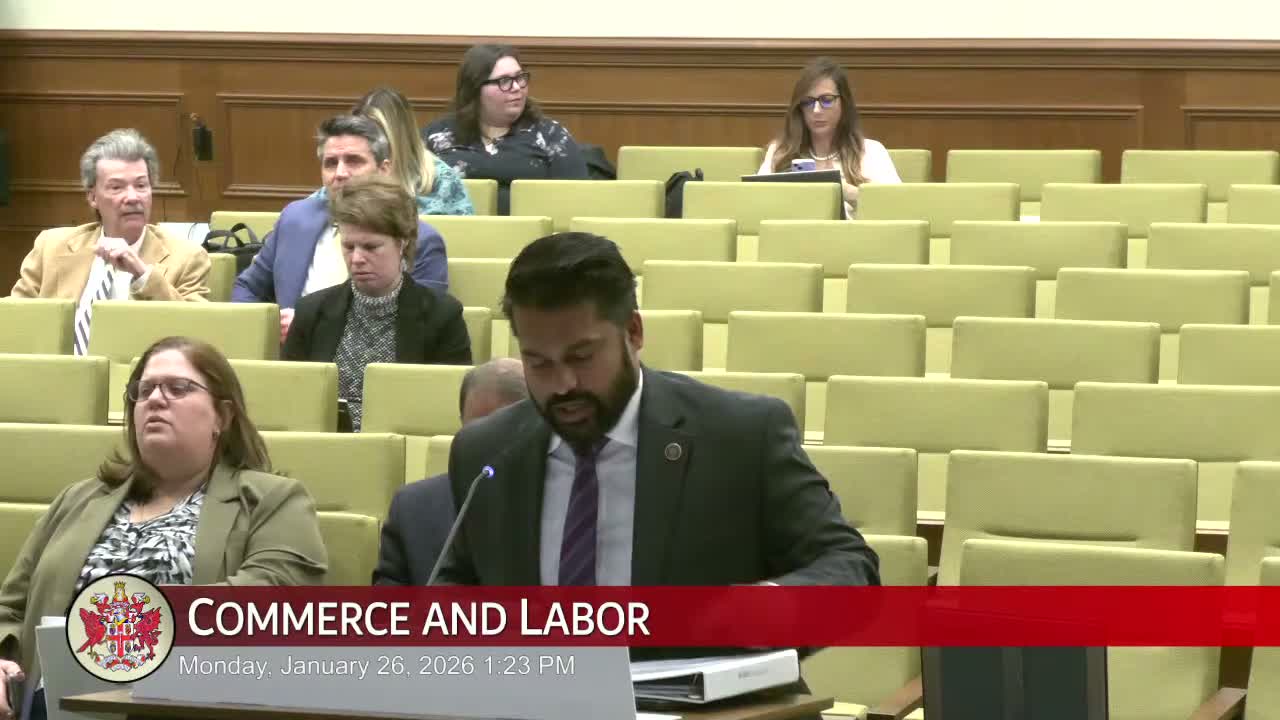
Summary
SB 586 would require insurers to disclose use of AI in coverage decisions and to ensure licensed clinicians review adverse determinations; insurers and the Bureau of Insurance said regulators already have authority, while physicians urged stronger safeguards. Committee adopted language to require reporting to the commission and continued deliberations.
Senator Celine introduced SB 586 to require disclosure when artificial intelligence is used to process health-claims decisions and to mandate human review of adverse determinations. The sponsor framed the bill as protection for patients who already depend on clinicians, arguing that credit or automated scoring should not stand between a patient and a doctor.
Physicians and medical societies supported the bill. Dr. Harry Gowanter of the Virginia Society of Rheumatology told the committee he "strongly" favored human involvement in appeals, citing a nationwide pattern of AI-led denials that can escalate the prior-authorization denial rate and delay care.
Insurers said they already operate under tight regulatory oversight. Doug Gray, representing the Virginia Association of Health Plans, noted a 2024 administrative letter from the Bureau of Insurance and SCC that conveys statutory expectations and enforcement authority; he said that the bureau already examines carrier conduct and pursues enforcement when necessary. "We do not make decisions solely on the basis of AI," Gray told the committee, while warning that the bill's private right of action and expansive definitions could have unintended consequences.
Bureau of Insurance staff (Rebecca Allen) told the committee the bureau focuses on outcomes and that carriers must comply with statutes regardless of the technology they use; Allen said carriers generally use human review "in the loop" for denials and that any violation would trigger correction and enforcement.
Amendments and committee action: Committee members debated replacing language in Section 15 to make required disclosures reportable to the commission (rather than creating an automatic private right of action and expedited external review). Senator McDougal proposed—and the committee discussed—language to allow the SCC to request the operational documents on AI use, balancing disclosure and enforcement. The committee adopted a compromise approach to require reporting of certain information to the commission and to remove the private right of action and automatic expedited review language for further workshopping; the bill remains under committee consideration with follow-up meetings requested between the patron, plans, and the bureau.
Next steps: The committee asked staff and stakeholders to confer on precise reporting language and whether a delayed enactment or referral is necessary; the bill will remain in committee for additional drafting.