Lifetime Citizen Portal Access — AI Briefings, Alerts & Unlimited Follows
Medina program traces Declaration of Independence, features first-person Revolutionary War account
Loading...
Summary
At an America 250 event at Medina City Hall, organizers read and discussed parts of the Declaration of Independence, linked colonial grievances to later Ohio settlement, and presented a first-person account by Henry Champion recounting service at Lexington/Concord and other wartime events.
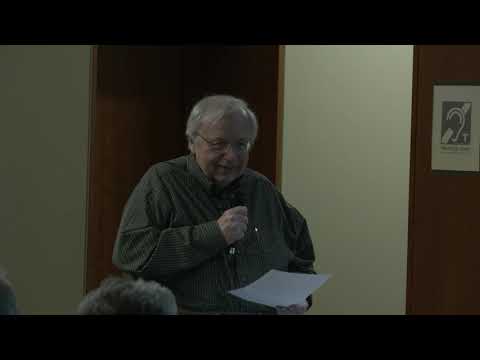
Roger Smalley, the program organizer, opened a community presentation at Medina City Hall on themes from the Declaration of Independence and early Ohio settlement, saying the 56 signers had “pledged their lives, their fortunes, and their sacred honor.”
Smalley summarized the declaration’s charges against King George III — including denial of trial by jury, standing armies, transportation for trial and taxation without representation — and traced how taxes and trade restrictions after the French and Indian War (including the Sugar Act and the 1765 Stamp Act) inflamed colonial resistance. He quoted Benjamin Franklin’s warning to Parliament that “the military will not find a rebellion, but they may indeed make one,” and noted Parliament later repealed the Stamp Act after widespread colonial boycotts.
Andrea Spickler introduced Henry Champion, presented in first person, who described being awakened on April 19, 1775, marching as an ensign to respond to British forces, and taking part in colonial actions that made the British return march "quite uncomfortable." Champion recounted fighting at Bunker/Breed’s Hill, helping with artillery moved from Fort Ticonderoga to Dorchester Heights, service in New York including the Battle of White Plains, work at West Point on defenses, and later reassignment to support Army provisioning with his father’s commissary work.
The program tied national events to local development: Smalley explained the Ordinance of 1785’s township-and-section survey system and the Northwest Ordinance’s role in creating new states, and said Connecticut ceded roughly 3,000,000 acres (the Connecticut Western Reserve) later sold in 1795 for $1,200,000 to land investors. He noted place names and population figures in the county that reflect that history, including Montville Township (about 13,000 residents) and the city of Medina (about 26,000).
The presentation was recorded by Medina TV. Organizers closed by thanking the speakers and attendees; a follow-up program was scheduled for January 24.