Lifetime Citizen Portal Access — AI Briefings, Alerts & Unlimited Follows
Lawmakers and witnesses press on TikTok, AI chips and undersea cables as vectors for hybrid warfare
Loading...
Summary
Members focused questioning on tech vulnerabilities — TikTok as a CCP influence vector, export approvals for advanced AI chips, and deliberate targeting of undersea cables — and witnesses recommended scrutiny of divestiture deals, export controls, and tracking of suspicious maritime activity.
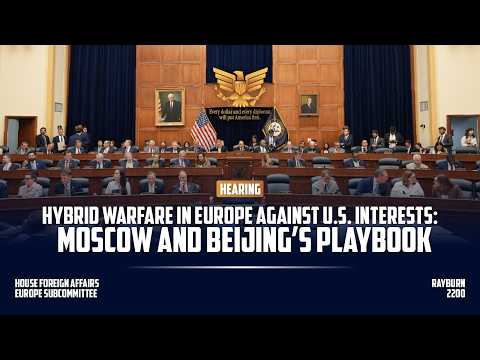
During questioning, committee members pressed witnesses on technological and infrastructure vulnerabilities that can be exploited by state and proxy actors.
Craig Singleton warned that TikTok "is a key platform for the Chinese Communist Party to influence views in The United States" and noted unresolved questions about a pending divestiture under an executive order. Members asked whether platform access and content moderation could be leveraged as part of a broader influence campaign.
Ranking Member Keating and others pointed to an export decision to allow NVIDIA H200 chips to China and asked witnesses how that decision interacts with national security concerns about artificial intelligence. Witnesses said AI is amplifying information operations and urged Congress to scrutinize export controls and enforcement mechanisms.
Representative Amo and others focused on undersea infrastructure: mapping of cables and pipeline damage in the Baltic Sea were cited as examples. Laura Cooper said Russia has used vessels from a "shadow fleet" in cable-damage operations and recommended steps to disrupt administrative support for those vessels, improve intelligence and coordinate allied surveillance to deter or attribute attacks.
Witnesses recommended a mix of resilience measures—hardening networks and supply chains—and targeted actions to raise costs for actors that enable sabotage or covert operations. Members requested written follow-ups and additional documentation on divestiture deals, export approvals and tracking efforts for suspicious maritime activity.