Lifetime Citizen Portal Access — AI Briefings, Alerts & Unlimited Follows
What the candidates said: infrastructure, neighborhood character and parks top priorities in Clawson interviews
Loading...
Summary
In interviews for an open council seat, candidates emphasized repairing deferred infrastructure, preserving single‑family neighborhoods and updating parks and parking approaches; each candidate described experience that shapes their approach.
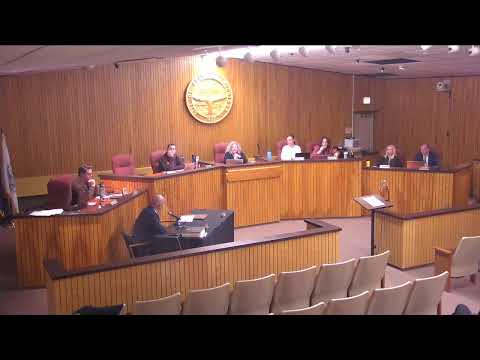
Three finalists for the Clawson council vacancy used the council’s interview questions to outline distinct priorities tied to local experience.
Scott Manning described lengthy service on school boards and finance committees and said dealing with budget cuts taught him how to balance fiscal constraints with community priorities. "I had to be the bad guy ... when we cut a quarter of our budget ... we take an oath to the community to balance a budget," Manning said, framing his approach as pragmatic and service oriented.
Alex Bischak emphasized his local ties and private‑sector experience in banking, accounting and real estate and said his top priorities are infrastructure maintenance, fiscal stewardship and greater transparency and outreach. Bischak told council he would recuse himself from matters creating a conflict because he serves as the executive director of the Clawson Chamber of Commerce.
Glenn Shepherd, who served on the planning commission and previously on council, focused on preserving Clawson’s single‑family character and on zoning tools aimed at design outcomes—pointing to a ‘‘snout house’’ ordinance and questions about how parking and first‑floor design interact with downtown revitalization. "No. We're Clawson. Don't make that mistake," Shepherd said when distinguishing local identity and development approaches.
Candidates raised overlapping concerns: deferred street and water‑main maintenance, the parks and recreation master plan (including decisions about Hunter Park), and how downtown development can add commercial value without eroding neighborhood green space. Shepherd cited a prior redevelopment discussion where a developer proposed 44 homes and noted a refurbish estimate he described as roughly $6,000,000; he characterized some higher‑density proposals as out of scale with established neighborhoods.
The council used these interviews, resident petitions and a ranking of first and second choices from each councilmember to inform a unanimous appointment that followed public comment. The session included procedural motions (a short recess and the removal of an absent candidate) and concluded with the appointee’s formal resignation from the DDA and swearing‑in.
The candidates’ remarks provide a roadmap of issues likely to surface in future council business: infrastructure funding and sequencing, parking and downtown form, parks master‑plan choices and continued attention to Open Meetings Act obligations.