Get Full Government Meeting Transcripts, Videos, & Alerts Forever!
Get email alerts on the Criminal Justice Human Trafficking topic
No spam. Unsubscribe anytime.
Senate approves SB30 adding mens rea distinctions and new patronizing offenses in human-trafficking code
Summary
The Utah Senate passed SB30 to refine human-trafficking statutes by adding mens rea distinctions (knowingly vs. recklessly), retaining heavy penalties for knowing conduct, and creating scaled offenses for those who patronize trafficking; vote was 26–0 with three absent. Sponsors said the changes narrow vague language to strengthen prosecutions.
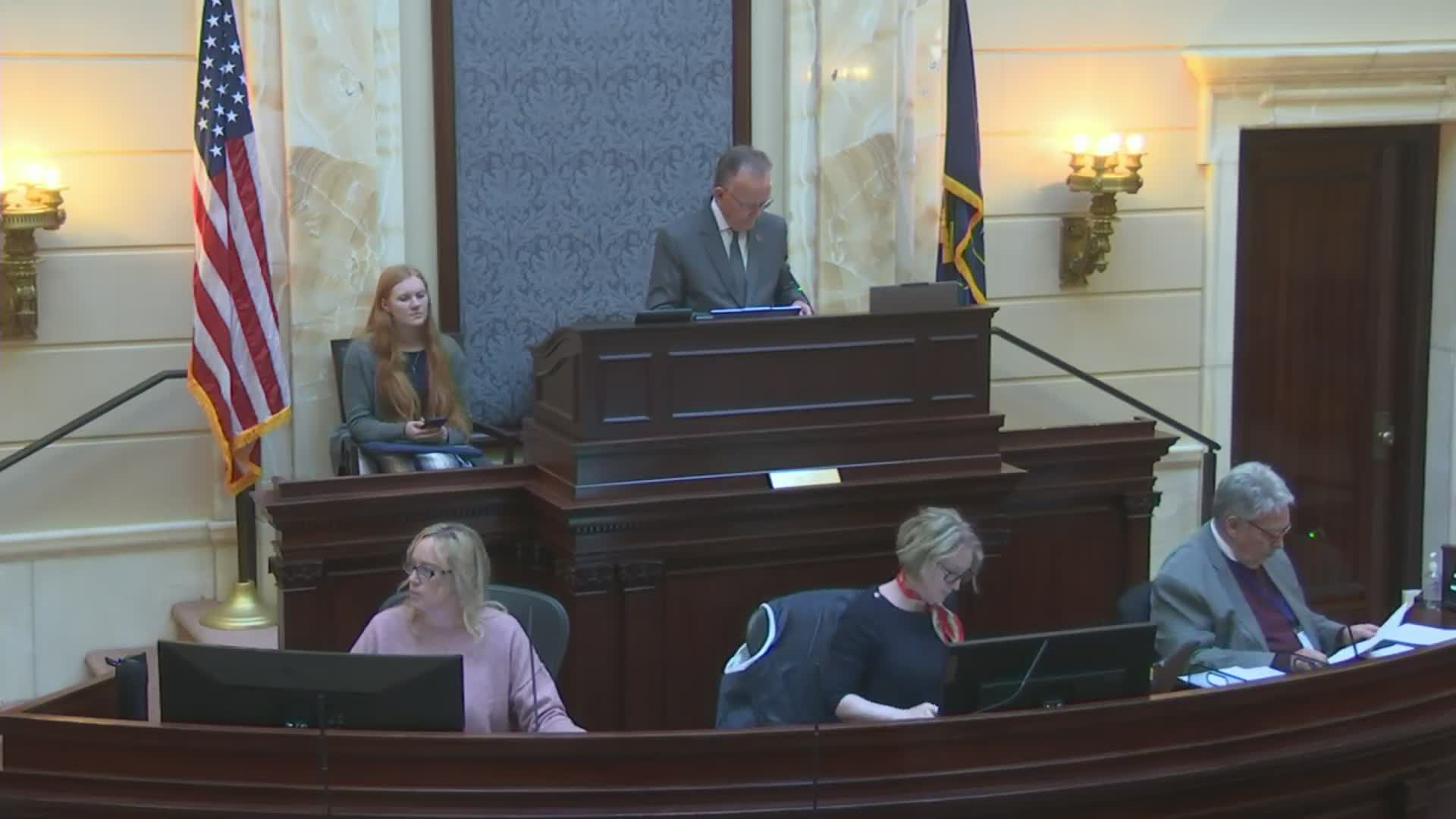
Senators passed Senate Bill 30 on third reading after extended floor debate, adopting changes sponsors said will clarify criminal intent and expand accountability for those who fuel trafficking.
Sponsor Sen. Musselman said SB30 introduces mens rea distinctions so that conduct committed "knowingly" continues to carry the heaviest penalties while "reckless" conduct remains a felony with a lower sentencing range. He argued the current statutory language is sometimes too broad, allowing defense claims of ambiguity to impede prosecutions. "Someone who knowingly traffics another human being is morally and legally different from someone who is reckless," Musselman said, adding that the bill does not decriminalize recklessness.
The bill also creates scaled offenses for "patronizing" trafficking to address demand, holding people who knowingly or recklessly use trafficked labor accountable while calibrating penalties to their level of awareness. In floor exchanges, Sen. Baldry asked why the bill uses the term "commercial" for child trafficking and whether noncommercial exploitation could be excluded. Musselman replied that parallel code sections already address noncommercial child exploitation and that aligning the trafficking definition with federal statute improves prosecutorial clarity.
Sen. McKay supported the approach, praising the separation of mental-state standards as consistent with other criminal-law distinctions. Musselman urged the chamber that the measure protects farmers and other employers who might unintentionally hire trafficked labor from receiving the highest penalties when they lack knowledge of the offense.
A roll-call vote produced 26 yea, 0 nay, and 3 absent; President Adams announced SB30 will be sent to the House for their consideration. The bill sponsor said the law aims to be more precise, strengthening prosecutors’ ability to pursue clearly defined wrongful conduct while preserving severe penalties for knowing traffickers.
The Senate moved on to other calendar business after the vote; SB30 will be transmitted to the House for consideration.