Get AI Briefings, Transcripts & Alerts on Local & National Government Meetings — Forever.
Residents press Sierra Vista council to reconsider Flock Safety camera network over privacy and security concerns
Loading...
Summary
Multiple public commenters told the council the recently installed Flock Safety camera network raises privacy, security and misuse risks; speakers urged the city to require stricter controls, preferred plate-only readers, or to end the contract. A company presentation is scheduled for Feb. 24.
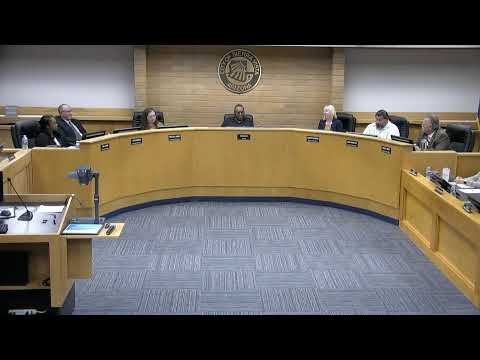
Public commenters at the Sierra Vista City Council meeting on Jan. 22 urged the city to rethink its recently installed Flock Safety automatic license-plate reader (ALPR) network, saying the vendor’s cameras amount to continuous surveillance, carry cybersecurity risks and have been misused elsewhere.
"They take video. They don't just take pictures," said Dan Gavin, a local cybersecurity professional, arguing that Flock’s system streams video to a third-party data center and uses AI to analyze more than license plates. "The amount of data that's going through a third party vendor... they own the data. They can do whatever they want with the data unless you put it in a contract," Gavin said.
Bruce Tassin, an IT professional who provided a multi-page packet to the council, cited published incidents and screenshots he said show misuses and security weaknesses in Flock systems, and highlighted a Congressional letter asking the Federal Trade Commission to investigate the company. "Flagstaff and Sedona have already canceled Flock," Tassin said, adding that he found examples of officers misusing access to track private individuals.
Patrick Mintraga, a 17-year signals-intelligence professional, told the council Flock’s marketing and product descriptions indicate vehicle-tracking capabilities beyond plate reads and warned that government or federal agents can gain broad access to shared accounts. "If you need license plate readers to be safe... get license plate readers, not surveillance cameras that track us 24/7," he said.
Speakers asked council to demand strong contractual protections (data ownership, retention limits, audit and access controls), to consider licenses that limit collection to plate images, and to explore terminating the contract. Councilmembers noted a company presentation about the system will be held Feb. 24 so the public and council can ask questions.
The council did not take action on the cameras at this meeting; the public-comment speakers requested further review and tighter contract terms or rescission to protect residents' privacy.