Get Full Government Meeting Transcripts, Videos, & Alerts Forever!
Get email alerts on the Insurance topic
No spam. Unsubscribe anytime.
Maryland insurance commissioner backs bill to stop insurers depreciating labor on ACV claims
Summary
Maryland Insurance Commissioner Marie Grant told the House Judiciary Committee HB283 would bar insurers from applying depreciation to labor when calculating actual cash value on first‑party property claims and require 45‑day renewal notices when coverage is reduced. Industry witnesses urged amendments citing rate and fiscal concerns.
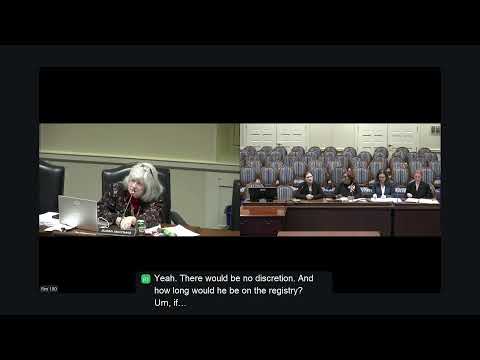
Maryland Insurance Commissioner Marie Grant urged the House Judiciary Committee to give HB283 a favorable report, saying the bill would protect homeowners and businesses from what her office calls an unfair practice of depreciating labor on first‑party property claims.
Grant told the panel the bill does two things: it would prohibit insurers from treating the expense of labor as depreciable when adjusting claims based on actual cash value, and it would require insurers to notify policyholders at least 45 days before a renewal if coverage will be reduced or eliminated. "Labor is not something that depreciates over time," Grant said, arguing that materials can lose value but the cost to repair a structure does not and often rises.
Neil Char Katz, a licensed public adjuster with Goodman Gable Gold Company, testified in support and said labor depreciation ‘‘increases upfront or out‑of‑pocket costs, delays repairs and undermines the principle of indemnity.’’ Katz listed several states that have restricted labor depreciation through statutes or court rulings and urged Maryland to act similarly.
Industry witnesses urged changes. Nancy Egan of the American Property Casualty Insurance Association said the bill understates fiscal impacts and warned that banning labor depreciation could increase claim payouts "and will impact rates," potentially reducing the affordability of ACV policies chosen by some consumers. Representatives of the National Association of Mutual Insurance Companies and Allstate said courts have upheld labor depreciation where policy language permits it, and they asked the committee to refine definitions such as "labor rate," overhead and profit fees, and to work on technical amendments.
Committee members pressed both sides about current practices and whether depreciation of labor is embedded in policy language or merely an emerging claims practice. Grant said filings and consumer complaints show a recent increase in insurers embedding labor depreciation in policy language, while industry representatives urged collaboration on targeted fixes.
The committee did not take a vote; members signaled they would consider amendments and fiscal analyses before a final recommendation. The bill’s proponents and industry agreed to continue negotiations.