Lifetime Citizen Portal Access — AI Briefings, Alerts & Unlimited Follows
Senators praise aging programs as Department of Aging prepares SOAR consolidation and requests transition reporting
Loading...
Summary
The Department of Aging defended a smaller FY27 allowance and sought patience for a planned consolidation into the SOAR program; advocates praised preserved dementia navigation funding and urged protections for legacy senior care recipients during the transition.
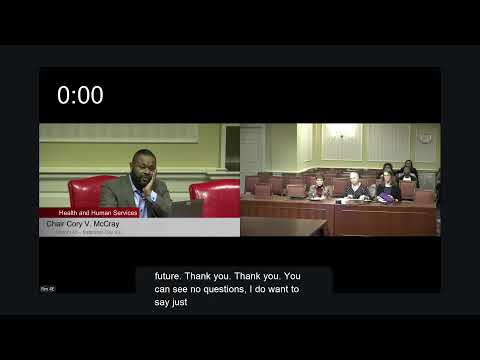
The Health and Human Services Subcommittee heard the Department of Aging's fiscal 2027 presentation and public testimony in support of services for older Marylanders.
DLS analyst Victoria Martinez said the Department of Aging's FY27 allowance decreases by about $9.7 million (10.6%) to roughly $82 million, largely because temporary ARPA funding expires and a veteran‑directed care program moved to the federal VA. DLS identified five deficiency appropriations with a net increase of $423,410 and recommended committee narrative asking MDOA for an updated SOAR transition plan, details on fund allocation to Area Agencies on Aging (AAAs), eligibility criteria, and performance measures to assess the consolidation of three legacy programs into the new SOAR structure beginning in FY27.
Maryland Secretary of Aging Carmel Roque and CFO Michael Zomber described the FY27 budget as disciplined in a constrained fiscal environment and thanked staff and the AAA network for high grant spend rates and operations continuity. Secretary Roque said the multisector 10‑year plan on aging will guide cross‑sector coordination without requiring additional standalone budget requests and that the department has taken steps to address recent OLA audit findings.
Advocates from the Alzheimer's Association and the Maryland Association of Area Agencies on Aging praised the governor's allocation. Megan Peters of the Alzheimer's Association thanked lawmakers for maintaining $2.4 million in the dementia navigation program, saying it provides families with screening tools and caregiver resources. Carol Linehard of the Maryland Senior Citizens Action Network told senators that community programs like senior care prevent costly nursing home placements and urged that legacy senior care clients be sustained as SOAR is implemented.
The committee and witnesses agreed the SOAR transition requires more detail; DLS requested a report on the transition plan, funding formulas for AAAs and performance measures to track outcomes. Secretary Roque and MDOA staff said they will continue working with AAAs and the committee as the department finalizes transition materials and implementation timelines.
Next steps: DLS asked MDOA to provide the requested transition plan and performance measures; public witnesses requested continued funding stability for dementia navigation and legacy senior care participants.