Lifetime Citizen Portal Access — AI Briefings, Alerts & Unlimited Follows
Newport councilors ask city attorney to draft ordinance banning consumer fireworks sales and use
Loading...
Summary
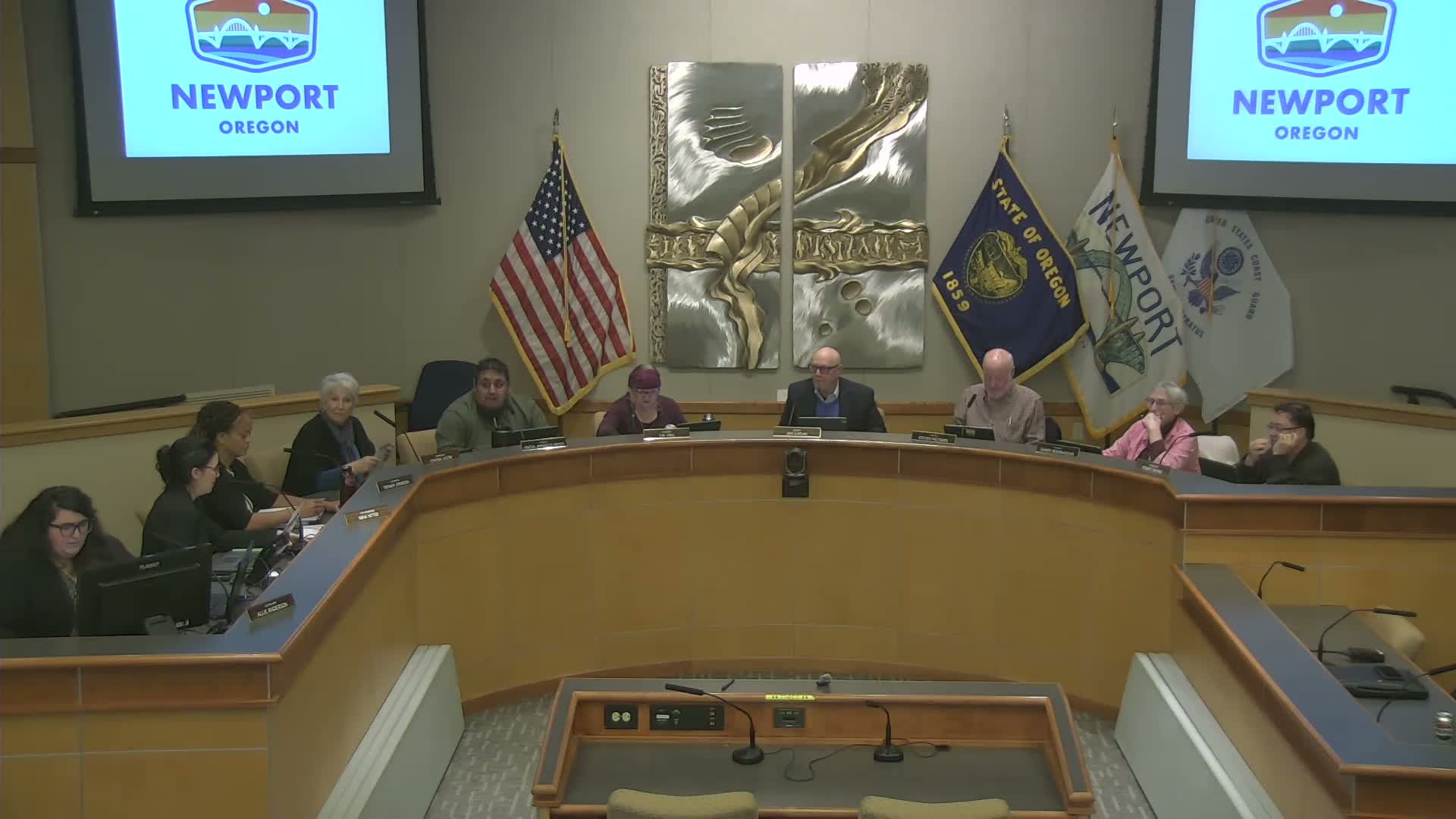
At a Feb. 2 work session, Newport councilors asked the city attorney to draft an ordinance that would ban the sale and use of consumer fireworks, citing recurring fire danger and alignment with neighboring jurisdictions; no vote was taken today.
City councilors in Newport directed the city attorney on Feb. 2 to prepare draft ordinance language that would ban the sale and use of consumer fireworks within city limits, saying the council will debate and consider the ordinance at a later public meeting.
The draft request came during a work session discussion led by Tiffany, the city attorney, who said the purpose was to provide background and seek council direction rather than to hold a vote. "The purpose of this work session is so that I can provide you some background information about [a] consumer fireworks ban and find out if you, council, would like to direct me to prepare and present an ordinance," Tiffany said.
The matter grew out of temporary measures the city adopted when fire danger was high, Tiffany noted. She told council that several nearby jurisdictions—including Depoe Bay, Lincoln City, Waldport and Lincoln County—have prohibitions on the sale and use of consumer fireworks. Tiffany said the staff report also addresses possible exemptions (for example, the city’s own fireworks display or limited use at special events) and implementation and enforcement considerations.
Rob Murphy, the city’s fire chief, explained the vendor permit process and timeline for retail fireworks: "The permit process goes through the Department of State Fire Marshal… retail fireworks… are required to get their permits into the state fire marshal by February," he said, adding that the permit fee is paid to the state and the city does not set that fee.
Councilors voiced safety concerns and a desire for consistency with county rules. One councilor said allowing sales but banning use in prior seasons created an awkward situation and did not serve a useful purpose. Another member described worsening downtown projectile hazards and said the trend of dry weather made a broader ban sensible. Several councilors signaled consensus for the city attorney to draft ordinance language.
Councilors and staff also discussed enforcement and timing: Tiffany cautioned that enforcement typically depends on police resources, and Murphy said he did not know precisely when vendors order product, only that the state permit window is processed in February. A councilor asked whether vendors who already applied for state permits could be disrupted by a local ban; Murphy said it is possible but the timing and product‑ordering timelines were unclear.
Because this was a work session, no vote was taken. Tiffany said she would prepare draft ordinance language to return for a formal council meeting where the public may comment and the council may deliberate and vote.
The next procedural step is for Tiffany to return with draft ordinance language for council consideration; staff noted that public comment will be offered when the ordinance is formally presented.