Get Full Government Meeting Transcripts, Videos, & Alerts Forever!
Get email alerts on the Housing Zoning topic
No spam. Unsubscribe anytime.
County’s "Housing Now" text amendment would allow duplexes and small multifamily on corridor lots; locals raise infrastructure and clarity concerns
Summary
A county zoning amendment called "Housing Now" would allow duplexes, triplexes, townhouses and small apartments on single-family lots that front specified arterial corridors, subject to affordability covenants and site-plan review; Martin's Additions residents and legal advisors raised questions about eligibility, deed-restriction lengths and local infrastructure costs.
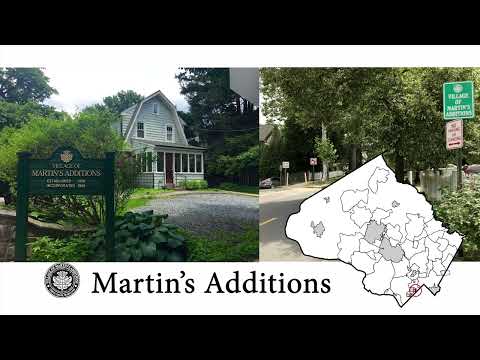
Michelle, a real-property and land-use lawyer, briefed the Martin's Additions council on the county’s new "Housing Now" program, focusing on a zoning text amendment that would allow additional housing types on lots that front designated corridors. "The housing now program, the zoning text amendment is very different from the attainable housing strategies initiative," Michelle said, explaining it is geographically limited to roadways with master-plan rights-of-way greater than 100 feet and will require site-plan review rather than allowing by-right building permits.
Under the draft, lots that front those corridors could be redeveloped with duplexes, triplexes, townhouses (four or more units with shared vertical walls) or small apartment buildings (four or more units with shared horizontal walls), provided the project meets financial-eligibility standards tied to the county’s housing policy. Michelle noted one affordability rule: "if you're developing a triplex, that at least 15% of the units need to meet these financial restrictions," and that the ordinance delegates the detailed income and resale restrictions to the county housing policy rather than the zoning code itself.
Council members and residents pressed for detail and flagged ambiguities. One concern centers on which lots are eligible: the text ties eligibility to lots that "front on" identified corridors, but it does not explicitly resolve corner lots or lots with driveway access to side streets. Michelle described differing interpretations: she cited Council member Friedson’s view that corner lots that do not have driveway access onto the corridor should be excluded, but she cautioned that "that's not what the law specifically says," and recommended requesting clarifying guidance from the county.
Residents also warned about infrastructure impacts. Marty Langland said, "Martin's Additions does not have the infrastructure in place to double our population," raising water, sewer, stormwater, tree loss, parking and school-capacity concerns. Michelle acknowledged those impacts remain a concern and said that water and sewer are typically handled between developers and WSSC, not at the municipal permitting level, but that public-review requirements (site-plan review and planning-board hearings) create opportunities for local input.
Legal and policy issues remain: deed-restriction length for affordability covenants is currently proposed at 20 years, which village counsel Ron criticized as short and vulnerable to termination on foreclosure; he suggested longer terms (40 years or more) and noted MPDU rules can run as long as 99 years. Michelle said the county housing policy sets the precise affordability standards and that the village will continue to seek clarity on stacking lots, two-unit conversions and other implementation details.
What happens next: officials said they will monitor related state bills and seek clarifications on corner-lot eligibility, the treatment of two-unit conversions, and whether developers may assemble adjacent non-corridor lots for redevelopment. The planning-board site-plan review requirement means projects will have public hearings, giving residents a formal venue to raise local infrastructure and traffic concerns.
The council did not take formal action on the zoning amendment during this meeting; the presentation closed to follow-up questions and ongoing monitoring by village staff and counsel.