Get AI Briefings, Transcripts & Alerts on Local & National Government Meetings — Forever.
Family says elderly man in Holguín was buried in a cardboard box as funeral services cite power and fuel shortages
Loading...
Summary
A Martí Noticias report says an elderly man in Velasco, Holguín, Salvador Martínez Almaguer, was buried in a cardboard box after relatives said coffins were unavailable; a funeral‑home worker attributed delays to electricity outages and lack of fuel for transport and machinery.
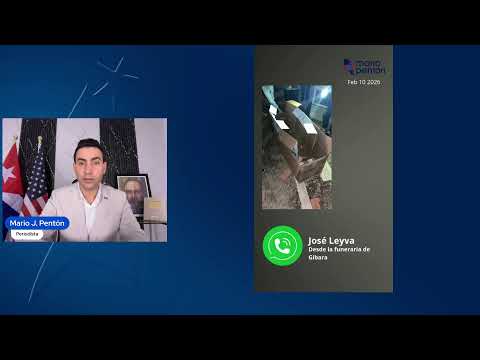
VELASCO, Holguín — Relatives of an elderly man who died in Velasco say they were forced to bury him in a cardboard box because coffins were not available, and a local funeral‑home worker told Martí Noticias that electricity outages and fuel shortages delayed coffin production and transport.
"Una caja de cartón como si fuera un un animal muerto," said Raciel Martínez Fuentes, who identified himself on the program as a nephew of the deceased, describing the family’s reaction to the improvised casket. The family identified the man as Salvador Martínez Almaguer. The reporter said he also spoke by phone with the deceased’s widow, identified as Juana Brusón Cruz.
A worker at the Ibarra funeral home told the program: "ha habido problemas con los ataúdes, pero es un problema… por un problema de electricidad y un problema de combustible," saying sarcophagi (coffins) have been delayed because of power failures and fuel shortages that affect production and transportation.
On the broadcast, a family member described attempts to care for the body amid outages: no reliable electricity, scarce transportation and limited staffing at funerary services. The family framed the case as part of wider shortages affecting food, transport and basic services in the area.
The host, who identified himself on air as journalist Mario Pentón of Martí Noticias, said he attempted to verify details by calling local officials and journalists he named, including Joel Keipo Ruiz and two Holguín reporters; he said the calls were unanswered or ended abruptly. When the reporter called a funeral office director, the person initially refused to provide information and called the reporter a "mercenario" before the host identified himself.
Martí Noticias aired the family’s images of the makeshift coffin and said it had worked to corroborate the account. The program did not present a government statement on air and the funeral‑home representative attributed the shortage to infrastructure and logistical problems rather than a deliberate refusal to provide coffins.
The report places the incident in the context of longstanding complaints about shortages in the region. The broadcast did not include official figures on how many coffins are currently unavailable or on whether regional authorities had issued emergency measures; those details were not specified in the segment.
The host closed by urging attention to how elderly people are treated at death and by thanking listeners for following the report. "Soy Mario Pentón," he said as he signed off.