Lifetime Citizen Portal Access — AI Briefings, Alerts & Unlimited Follows
Residents press council to remove Flock ALPRs; council cites research and data-sharing controls
Loading...
Summary
Public commenters urged removal of Flock automated license-plate readers (ALPRs) citing privacy and alleged misuse; council members acknowledged concerns, pointed to University of Washington research and state sharing limits, and said staff will review data-sharing practices.
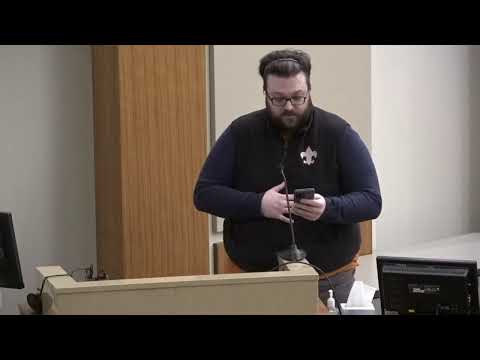
Several residents urged the Richfield City Council to remove Flock automated license-plate readers (ALPRs), arguing the devices collect detailed vehicle images and location histories and have been misused to aid immigration enforcement or other tracking.
Jacob Poppe told the council ALPRs are "AI powered cameras that capture and analyze images of all passing vehicles, storing details like our car's locations, dates, and times" and argued the systems pose serious privacy and civil-liberty risks. Landon McKay and other commenters said independent studies and recent congressional attention demonstrate security and misuse concerns and called on the city to bar future installations.
Council member Burton responded that the evidence is mixed and noted some research (which he cited as University of Washington work) suggests misuse often stems from data-sharing decisions by agencies rather than the devices themselves. Burton said Richfield is "very careful" in limiting with which organizations it shares ALPR data and urged residents to check state law governing interagency sharing.
City staff discussed hardware reliability: Joe Powers said some local systems come from Tapco and that solar-powered units have had more reliability issues; for Nicollet Avenue he said staff plan to use hardwired RRFB systems to avoid solar-power problems. Powers also said staff are exploring retrofits or component replacements for problematic units elsewhere.
Council did not take immediate regulatory action at the meeting; members said staff will continue reviewing vendor practices, state law and data-sharing protocols and will report back as part of ongoing public-safety and privacy considerations.