Lifetime Citizen Portal Access — AI Briefings, Alerts & Unlimited Follows
Cuba's fuel shortages deepen as residents call for change; U.S. cites national emergency
Loading...
Summary
A Martinoticias report says fuel reserves in Cuba have "hit bottom," videos show near-empty Havana streets, and residents voice demands for systemic change. A U.S. executive order of Jan. 29 declares a national emergency with provisions that could target countries supplying petroleum to Cuba.
Luis Guardia, reporter for Martinoticias, said footage circulating online shows near-empty traffic along Havana's Malecn and captures people being taken from a hospital emergency area amid growing shortages.
"La crisis energtica se agudiza en la medida que las reservas de combustible tocan fondo," the report states, summarizing expert and local observations that fuel supplies have become critically low. Residents quoted in the report voiced frustration at pervasive scarcities: an unidentified speaker said, "No hay esto, no hay lo otro, tfa vas y no hay, hasta cu00e1ndo?" reflecting public exasperation over repeated shortages.
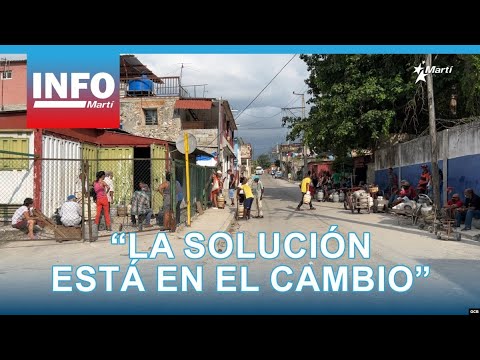
The story links the domestic shortages to mounting political pressure: the reporter says a segment of the population is beginning to call for changes to Cuba's sociopolitical and economic system, and one unidentified commentator said a change of government could bring visible progress. The report also quotes another unidentified speaker who argued the "bloqueo" is more internal, attributing responsibility to the island's current system.
In international policy developments, the report notes that on Jan. 29 the U.S. president issued an executive order declaring a national emergency related to the government of Cuba. According to the report, that order would allow the United States to impose additional tariffs or other measures on a foreign country that sells or supplies petroleum to Cuba and includes a provision (Section 3) that could be altered if Cuba or another affected country were to cooperate with U.S. national security and foreign policy aims.
The piece places those measures in the context of competing narratives: Havana attributes shortages to an external embargo, while other voices emphasize internal economic and governance failures. The reporter adds that U.S. officials say they are in contact with high-level Cuban interlocutors even as hope spreads among residents on the island.
Experts cited in the report described the current economic situation as the worst since the arrival of the castrismo to power. The report closes with the byline: "Luis Guardia, Martinoticias."