Lifetime Citizen Portal Access — AI Briefings, Alerts & Unlimited Follows
FBI officials say Cuba ran long-term recruitment of U.S. sources and stress lessons for spotting spies
Loading...
Summary
FBI special agents described how Cuba recruited students and academics long before those individuals entered U.S. government service, cited key defectors and penetrations (including Ana Montes, Walter Kendall Myers and Victor Manuel Rocha), and outlined investigative patterns and public prevention advice.
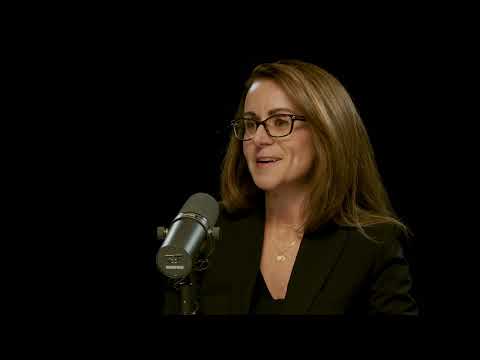
On a public-facing podcast, Aliza, a special agent with the FBI, and Tiffany, the bureau's senior national intelligence officer for counterintelligence, described how Cuba historically recruited and handled human sources and what lessons that history offers to investigators and the public.
Aliza said Cuba "has punched well above their weight" by recruiting targets young and in the diaspora, then placing them where they would later have access. She cited a 1987 defector, Florentino Asiaga, whose disclosures prompted U.S. agencies to recognize that many supposedly friendly sources had in fact been "doubled" and were controlled or fed to Havana. "That was a huge kind of wake up call," she said.
Speakers described "penetrations" of government — networks the transcript calls "lab red" — involving recruits who were sometimes selected for ideological reasons rather than money, which reduces classic "turn" indicators investigators usually look for. The hosts cited historical cases pieced together over years, including Ana Montes (an analyst), Walter Kendall Myers (and his wife) at the State Department, and Victor Manuel Rocha, an ambassador later identified as part of the network.
Tiffany and Aliza explained why such networks are difficult to detect: recruits are often placed into positions before any observable behavior change, communication trails can be sparse or encrypted, and some collectors are nontraditional (academics or businesspeople) whose access is not obviously governmental. Tiffany advised investigators and security officers to assemble multiple indicators and avoid overreliance on any single sign. "We very much talk in terms of indicators, versus something being diagnostic," she said.
The speakers also noted patterns that investigators have seen in several Cuban-related cases, including occasional family or spousal involvement and long-term recruitment schemes originating outside the United States. For the public, the advice was practical: be aware of approaches that seem manipulative or unexpected, and refer concerns to an employer or agency security office rather than trying to investigate independently.
Obstfeld closed the session by thanking the guests, pointing listeners to insider-threat resources, and inviting audiences to future episodes in the series on counterintelligence and espionage.