Get Full Government Meeting Transcripts, Videos, & Alerts Forever!
Get email alerts on the Voter Privacy topic
No spam. Unsubscribe anytime.
Local forum spotlights privacy concerns over proposed voter-list access and a state data appropriation
Summary
Speakers at a Davis County Conservatives forum warned that recent bills would broaden public access to voter lists and flagged an $18.6 million appropriation to a Utah population database that, they said, contains detailed personal records. Attendees were urged to watch privacy amendments and contact legislators.
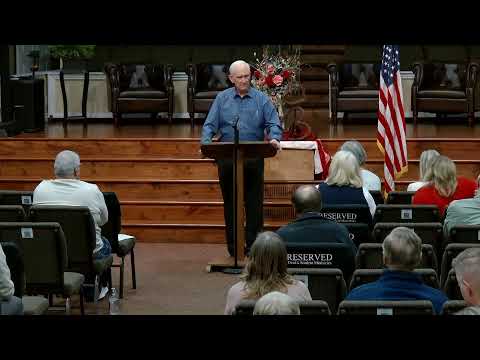
At a Davis County Conservatives forum, community members and a guest speaker, Ron Mortensen, raised privacy and data-governance concerns tied to several bills at the Utah Legislature and a related budget request.
Mortensen said bills now before the Legislature (he cited SB153 and SB194) would widen the information available on public voter lists and make it easier for private parties to obtain registers. "They sell that for $200 and anybody can buy that," Mortensen said, describing a public list that he said includes names, addresses and birth years and that he said is republished on third-party sites.
Mortensen also flagged language in a pending data-privacy amendment that he said could make previously public agency privacy reports into protected records, and he urged scrutiny of an $18,600,000 funding request he associated with a "Utah population database" that some materials on the forum handout indicated would contain driver license records, voter-registration records and health-claims data. "What the McKell's $18,600,000 is for is to overlay that with AI," Mortensen said, describing the appropriation as intended to enable analytics across multiple datasets.
Representative Trevor Lee, who attended the forum, acknowledged the tension between election access and privacy. He said earlier versions of a privacy bill were designed to limit access and that recent federal and party pressure had changed how the Legislature is implementing those rules. Lee said legislators were negotiating how parties, clerks and the public receive voter data and urged constituents to contact clerks and committee members if they have concerns.
Speakers at the forum recommended specific next steps for citizens: (1) monitor committee calendars and appropriation language for privacy exceptions; (2) contact county clerks and legislators with concerns about public data and the scope of lists; and (3) request clarification from staff when an appropriation references a database that contains personally identifiable information.
The forum did not produce any formal action by an elected body. The comments recorded here reflect what was said at the meeting; claims about data holdings and the planned appropriation were reported by speakers and were not independently verified at the event. The forum host encouraged attendees to follow up with their representatives and with the lieutenant governor's office for official guidance on voter-data access.