Lifetime Citizen Portal Access — AI Briefings, Alerts & Unlimited Follows
Senate hearing spotlights Operation Metro Surge, two deaths and frayed state-federal ties in Minnesota
Loading...
Summary
A Senate Homeland Security hearing on Operation Metro Surge focused on coordination failures, two fatal encounters involving federal agents, video showing force against protesters, and disputed claims about Minnesota officials' cooperation with ICE and a separate large fraud scandal.
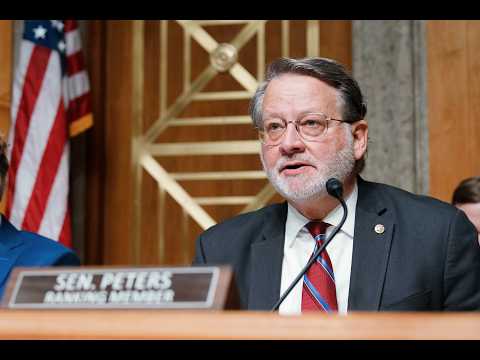
WASHINGTON — Senators pressed Minnesota officials and Department of Homeland Security leaders on Feb. 11 over the deployment and tactics of federal immigration agents in Minnesota, the handling of two recent deaths during enforcement operations and the limited cooperation between federal and state authorities.
The hearing, convened by the Senate Committee on Homeland Security and Governmental Affairs, heard sharply contrasting accounts from Minnesota Attorney General Keith Ellison and state corrections commissioner Paul Schnell, and from congressional witnesses who described a rise in organized obstruction of federal operations. Ellison told the committee, "End the surge. End it now," urging Congress to require ICE and DHS to provide a full accounting of stops, detentions and deportations and to open detention facilities to independent oversight and health professionals. Commissioner Schnell said the surge "has had tragic consequences" and cited the need for joint investigations into the deaths of Renee Goode and Alex Preddy.
Senators pressed DHS leaders — Joseph Edlow (USCIS), Rodney Scott (CBP) and Todd Lyons (acting ICE director) — after the committee played authenticated video that captured one of the confrontations and contained the sound of gunfire. Lawmakers and independent witnesses described footage showing agents using pepper spray at close range and holding down people on the pavement; DHS leaders said multiple agencies including the FBI are conducting criminal investigations while DHS offices are conducting administrative reviews. "We will make everything transparent," acting ICE Director Lyons said when asked whether relevant camera footage and evidence will be released to the committee when appropriate.
Much of the debate centered on whether local and state authorities in Minnesota were cooperating with federal immigration enforcement. Representative Harry Niska and other Republican lawmakers argued sheltering policies and attorney general guidance had blocked effective coordination and allowed dangerous offenders to be released. Ellison and Commissioner Schnell countered that Minnesota generally works with federal partners in custody transfers and that federal tactics in the recent surge were disproportionate and lacked planning.
The hearing also included a separate, heated exchange over allegations tied to a multi-state fraud investigation. Several senators accused Attorney General Ellison of inaction or improper contact with individuals later indicted. Ellison denied wrongdoing, calling the lines of attack "theatrical." He said his office has prosecuted hundreds of Medicaid fraud cases and that criminal prosecutions are pursued when authorized by county and state law.
The committee asked for prompt follow-up: it asked DHS for records of requests for cooperation that were denied, for additional material on the use and suspension of a data portal that once connected state jails to ICE, and for clarification about how many people with final orders of removal remain in Minnesota custody. The hearing record remains open through Feb. 13, 2026, for additional submissions.
The committee did not vote on legislation or take formal enforcement action at the hearing; multiple senators said oversight and clearer rules for the use of force and interagency coordination would be immediate priorities going forward.