Get AI Briefings, Transcripts & Alerts on Local & National Government Meetings — Forever.
Committee hears broad support for $250,000 pilot to give neighborhoods shared data tools
Loading...
Summary
LB 12 14 would fund up to five neighborhood data‑collaboratives (authorized DHHS appropriation $250,000) to give resident‑led neighborhood associations, nonprofits and regional planners shared data tools, training, and reporting; supporters said neighborhood‑level data improved grant success and community advocacy while senators probed privacy and fiscal details.
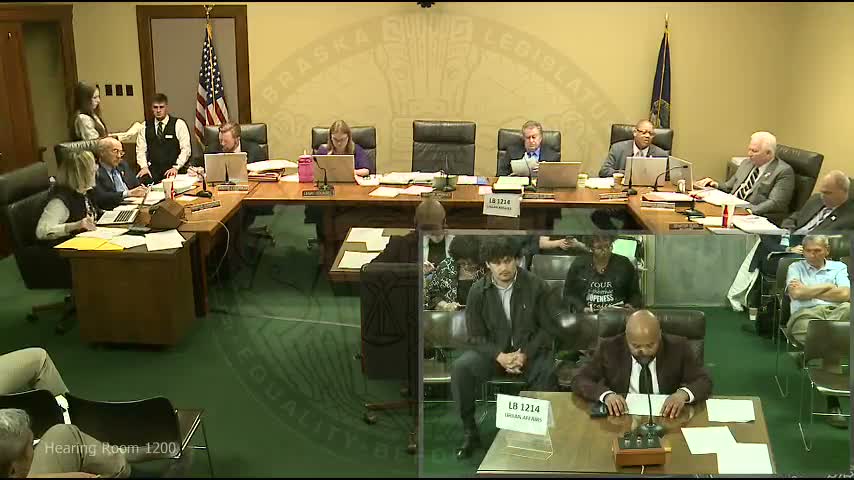
Sen. Terrell McKinney introduced LB 12 14, which would authorize the Department of Health and Human Services to fund up to five neighborhood data‑collaborative pilot programs across Nebraska with an appropriation of $250,000. The pilot sites would pair at least one regional planning organization, one local nonprofit, and at least three neighborhood associations, require shared governance and resident leadership, and submit annual reports to the legislature on outcomes and resident participation.
Proponents described concrete local uses: Kimera Snipes (1Omaha) said neighborhood data made infrastructure conversations ‘‘more precise and less reactive’’ and cited the Metro Area Planning Agency (MAPA) Highway 75 survey as a case where community data improved a federal funding application. Testimony from small‑town advocates and neighborhood leaders emphasized that neighborhood‑level data helps prioritize spending, supports resident advocacy, and levels the field when competing for grants.
Senators asked about privacy safeguards and whether the pilot would track personally identifiable data. Witnesses said the intent is to surface aggregate, public data at finer geographic resolution (neighborhood rather than ZIP code) and to train residents and partners in interpretation; they repeatedly emphasized the pilot is not about tracking individuals. Committee members also examined the fiscal note: DHHS referenced a 0.25 FTE and the $250,000 would cover technology, resident training, staff coordination, travel and local implementation costs.
Support for the pilot was broad among neighborhood associations, nonprofits and planning organizations; the committee discussed selection criteria to ensure geographic and community diversity across metropolitan, primary, second‑class cities and villages. No formal vote was taken at the hearing.