Get Full Government Meeting Transcripts, Videos, & Alerts Forever!
Get email alerts on the Juvenile Justice Programs topic
No spam. Unsubscribe anytime.
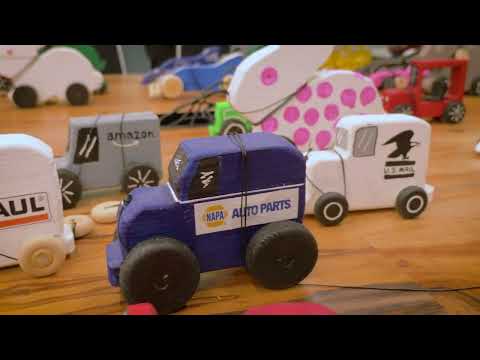
Participants say toy‑making program at state hospital and TJJD teaches skills while helping others
Summary
Speakers described a toy‑making program that engages youths at a state hospital and the Juvenile Justice Department (TJJD) in hands‑on work that builds skills, promotes servant leadership and gives participants the chance to 'give back' by making gifts for children.
Participants in a program for youths described making toys for children, learning hands‑on skills and finding emotional benefit in giving back to the community.
Speaker 2, an unidentified speaker, said youths who have experienced trauma were "extremely excited" when told they would be making toys for children and that projects like this help them "know . . . I have the ability with my hands to do something to bring joy to others." The speaker said the work lets participants "look beyond themselves" and feel good about helping others.
Speaker 3, an unidentified speaker, framed the effort as a form of public service and leadership training, saying, "I wanna pay it forward in terms of public service" and that it is important to instill "servant leadership" in people served "whether that's here at a state hospital or at TJJD." The remark named the Juvenile Justice Department (TJJD) as one setting where staff aim to teach skills that carry forward in life.
Speaker 1, an unidentified speaker, described participating to "give back to the community, show them that I'm not really who they thought I was," and later said, "It shows that it doesn't take much to to spread kindness." Those comments underscore the presenters' emphasis on both personal growth and community benefit rather than punitive or clinical aims.
No formal actions, votes or legal authorities were referenced in the transcript. Details such as program size, funding sources, exact location(s) and operating agency oversight were not specified in the available text. The discussion focused on participant experience, motivation to help others and the skills and emotional benefits staff and participants said the project provides.
Next steps and administrative details — including whether the program is part of an ongoing TJJD initiative, a one‑time project, or connected to a state hospital program — were not described in the transcript.