Lifetime Citizen Portal Access — AI Briefings, Alerts & Unlimited Follows
Maricopa County supervisors order Recorder Justin Heap to produce records and testify under oath on Feb. 18
Loading...
Summary
After weeks of disputed exchanges and a pending lawsuit, the Maricopa County Board of Supervisors voted to require Recorder Justin Heap to deliver supporting records and appear in person under oath on Feb. 18, 2026, citing unanswered questions about budget requests and election procedures.
The Maricopa County Board of Supervisors voted on Feb. 11, 2026, to require County Recorder Justin Heap to provide his report and supporting records on Feb. 18 and to appear in person that afternoon to give sworn testimony.
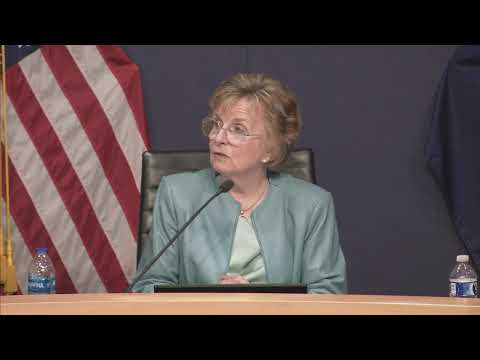
The motion, made by Vice Chair (named in the transcript as "Lesko") and seconded, grew out of a months‑long dispute between the recorder’s office and the board over a shared services agreement and election‑related procedures. Vice Chair Lesko told the board the recorder’s office had “repeatedly refused to answer basic questions” about budget requests, signature verification, signature curing and special election boards and asked why the recorder had sought to mail ballots to voters who did not request them. Lesko also said the recorder had requested another $550,000 from the county and that the board needed specifics about how that money would be used before approving it.
Supervisor Steve Gallardo and others described the vote as an element of routine budgetary oversight. "We need to be able to know basic simple answers questions that we ask every other elected official," Gallardo said, adding that the action is about responsible stewardship of taxpayer dollars. Supervisor Stewart framed the action as a way to clarify whether any voters may have been disenfranchised and to resolve conflicting statements the board had received.
Corey Langhofer, the attorney on record for the board, told supervisors the judge had so far declined to sign a temporary restraining order that would prevent the board from taking up the item, and that the TRO had been filed by the recorder through his counsel. Langhofer told the board that the court had met with counsel and, as of the meeting, had not signed an order restricting the board’s ability to require testimony.
Public commenters at the meeting voiced sharply divided views. Several speakers urged increased election transparency and recommended hand‑counting paper ballots, while others, including business leader Suzanne Webb, defended the recorder’s recent changes and said the office had improved signature verification and election accuracy. Public speaker Louis Mar Garza, who addressed a different agenda item earlier, also raised concerns about developers and traffic studies.
The motion passed on a roll call in which five supervisors voted aye and one previously noted recusal was recorded on an unrelated item. The board directed staff to receive the recorder’s records and for the recorder to provide sworn testimony on Feb. 18, 2026. The motion as adopted is procedural: it compels the production of records and sworn testimony but does not itself change existing election law or budget appropriations.
Next steps: the recorder’s office is scheduled to produce the requested records and to appear before the Board of Supervisors in person and under oath on Feb. 18, 2026, per the board’s vote.
Sources and attributions: quotes and attributions in this article are drawn from statements recorded by the Board of Supervisors at the Feb. 11, 2026 meeting. Direct quotes appear as spoken during the meeting.