Lifetime Citizen Portal Access — AI Briefings, Alerts & Unlimited Follows
Committee approves HB 214, narrowing civil‑liability claims against firearm manufacturers and sellers (3–1)
Loading...
Summary
Senators debated HB 214, which narrows qualified civil‑liability claims involving firearms and requires dismissal of claims that fail to meet specified pleading standards; opponents warned it expands immunity for manufacturers, while supporters said it preserves defective‑product claims and aligns state law with federal PLCAA. The committee approved the substitute 3–1.
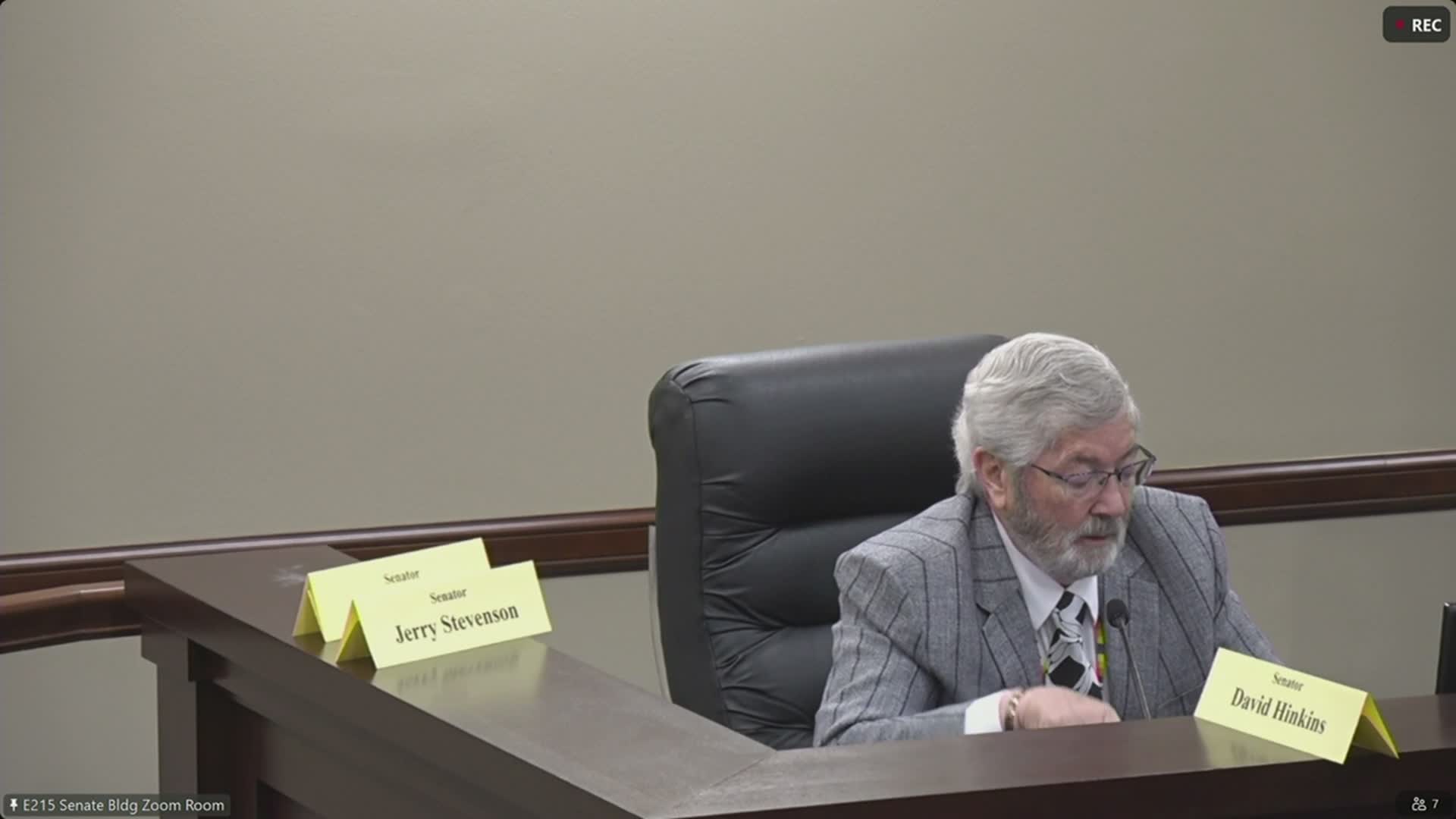
Senator Hankins presented HB 214 as amendments to civil‑liability law governing firearms and related items. He said the bill defines qualified and nonqualified claims, requires courts to dismiss claims that do not meet specified requirements, and leaves liability for defective products intact. "If the firearm has a problem and it malfunctions or something and injures somebody, they're still liable for that," the sponsor said.
Opponents, including Derek Kitchen, said the bill "goes beyond protecting lawful gun owners" and "expands legal immunity for manufacturers and sellers," warning that the measure would make it harder for victims to bring claims and could preempt local responses. Kitchen said dismissed families might be forced to pay defendants' attorney fees if their cases are dismissed, and urged the committee to seek a different balance.
Supporters, including witnesses representing the Utah Shooting Sports Council and NSSF, argued HB 214 clarifies Utah law to align with the federal Protection of Lawful Commerce in Arms Act (PLCAA) and prevents costly, non‑traditional suits that seek to regulate lawful commerce through litigation. Senator Stratton moved the substitute and Senator Blunt spoke in opposition citing producer responsibility and preemption concerns. The committee voted 3–1 to favorably recommend the substitute to the full Senate.