Lifetime Citizen Portal Access — AI Briefings, Alerts & Unlimited Follows
Washington Senate advances broad package of bills on schools, early learning, tech reuse, transit and health
Loading...
Summary
The Washington State Senate advanced and in many cases passed a wide set of bills including measures to allow limited transfers from school transportation funds for districts in binding conditions, a Ballmer Group-backed boost for preschool slots, a law easing reuse of surplus school devices, changes easing port borrowing, and several health and insurance transparency bills.
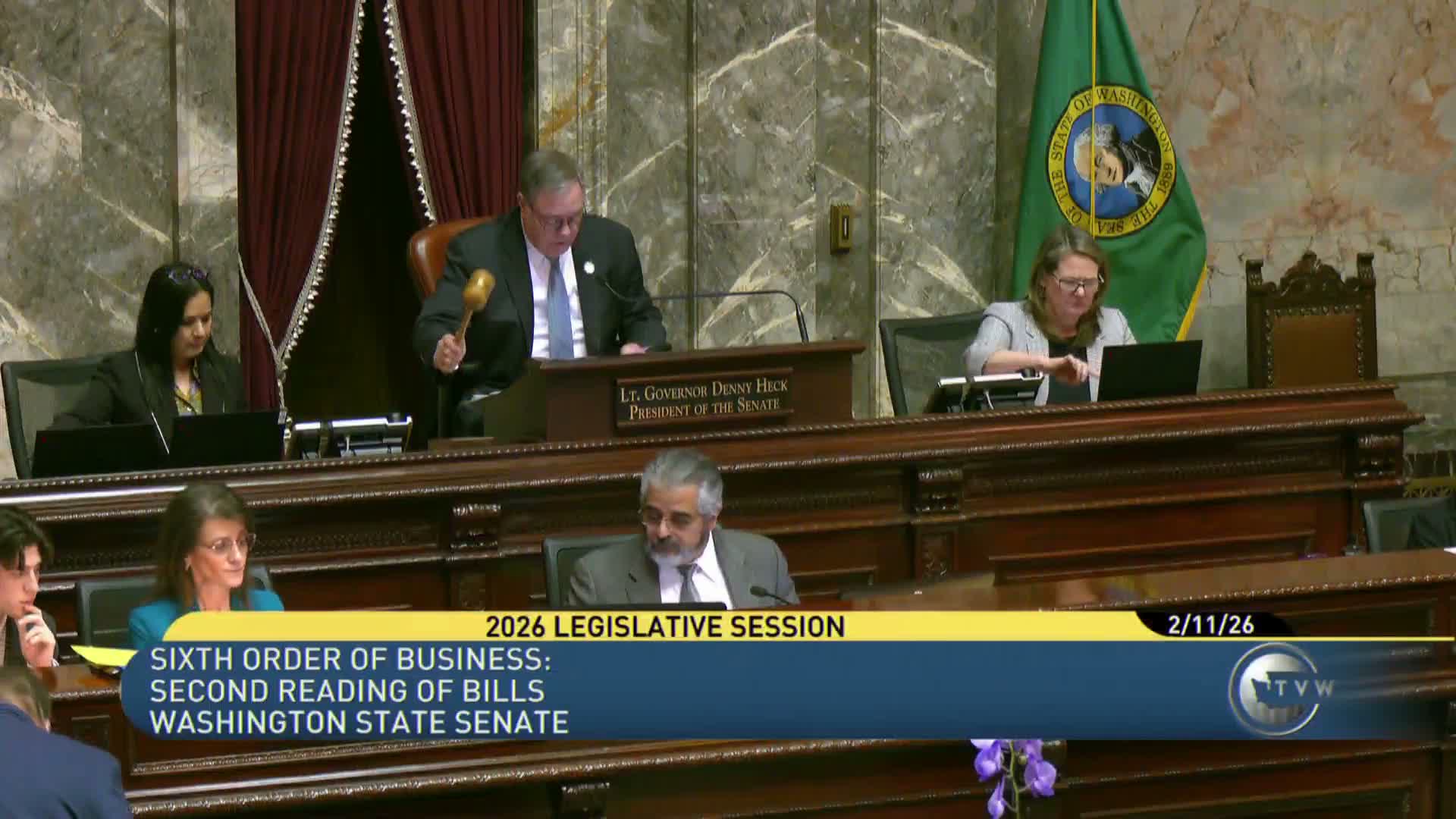
The Washington State Senate spent its floor session advancing and voting on a wide package of bills touching education, early learning, transportation and health-care administration.
Senators moved quickly through measures that sponsors said were aimed at easing short-term budget pressures for troubled school districts, expanding access to early learning, and reducing friction in how schools and providers use and receive technology and payments. On procedural motions throughout the evening, members regularly moved to suspend the rules and advance bills to third reading and final passage; several measures were declared passed by constitutional majorities.
Senate Bill 6065: support for schools in "binding conditions" Senate Bill 6065, sponsored by Senator Dozier, allows school districts — in narrowly defined circumstances and at the recommendation of the Office of Superintendent of Public Instruction (OSPI) — to transfer funds from a Transportation Vehicle Fund to an operating fund. Dozier said the bill is straightforward and aimed at districts in budgetary distress: "This bill is a pretty simple bill, straightforward," he told colleagues, noting there are about seven schools the bill targets that are currently in binding conditions. He said the transfer may be permanent if OSPI determines the transaction will not harm the transportation fund. The bill passed on the floor; the secretary reported 49 ayes and 0 nays and the president declared it passed.
Surplus technology and student access (SB 6222) Senator Hunt sponsored substitute Senate Bill 6222 to make it easier for school districts to place surplus technology in students' hands. Hunt described district devices that sit unused in storage after students graduate and said the bill lets districts offer working devices to students at depreciated value, prioritizing low-income students. "It lets schools put these devices to good use," Hunt said. The substitute bill was advanced and passed by the Senate.
Early learning expansion and private philanthropy (SB 5872) A significant policy and financing discussion centered on Senate Bill 5872, which creates an account to accept philanthropic funding to expand the Early Childhood Education and Assistance Program (ECAP). Senator Wilson (Claire) described a proposed partnership with the Ballmer Group that sponsors said would fund up to 10,000 additional ECAP slots and estimated an annual contribution in the order of $170,000,000 for roughly 10 years. Supporters framed the measure as a major expansion of access to preschool; several senators praised the private commitment while acknowledging it does not mandate local participation. The bill advanced and was declared passed by the required majority.
Transparency for special-education complaint decisions (SB 6268) Senate Bill 6268, carried by Senator Harris, would create an online portal of special-education complaint decisions so families and educators can see how disputes have been resolved. Harris said the portal would improve transparency and help families understand the process; proponents called it a resource for families, advocates and school providers. The substitute bill moved to final passage and was declared passed.
Health and insurance measures Senators debated and passed measures aimed at transparency and process in health-care and insurance administration. Senator Orwell described a measure (SB 5395) addressing prior-authorization denials and the role of automated decision tools; Orwell said the bill limits the use of AI-only denials and requires professional review in many cases, citing industry examples of high denial rates. The bill advanced and passed on the floor after roll call.
Other finance and policy items A range of other measures passed or were advanced on consent or near-consent rolls, including a narrow modification to indebtedness limits for an inland port district (sponsor: Senator Warnock, for the Port of Moses Lake), changes to public-facilities district deadlines, updates to home-care rate statutes, and transportation financing options targeted to help Sound Transit access federal tools. Many of those bills were moved with suspension of the rules and recorded as passed by large, often unanimous margins.
Votes at a glance - SB 6065 (school transportation fund transfers): passed (reported 49–0). Sponsor: Sen. Dozier. - SB 6132 (inland port indebtedness limit modification – Port of Moses Lake): passed (reported 49–0). Sponsor: Sen. Warnock. - Substitute SB 6222 (surplus technology to students): passed (reported 49–0). Sponsor: Sen. Hunt. - Substitute SB 6268 (special education complaint online record): passed (reported 49–0). Sponsor: Sen. Harris. - SB 5872 (pre-K/ECAP account to accept Ballmer Group funds): passed after floor vote (tallies in the record). Sponsor: Sen. Wilson (Claire). - SB 5395 (prior authorization/transparency reform): passed (tallies reported in the record). Sponsor: Sen. Orwell. (Other bills advanced or passed during the session are recorded in the roll-call transcript.)
What comes next When the Senate declares a bill "passed" the title becomes the title of the act; most measures now proceed to the enrolled-bill process and then to the governor for signature or further action as required. Several bills depended on administrative guidance (for example, transfers that require OSPI review) and sponsors and ranking members noted staff and agency implementation work remains.
The floor session also included procedural motions, amendments adopted at the desk for several bills, and routine requests to excuse members. The Senate recessed for dinner and caucus at the close of the transcript provided.