Lifetime Citizen Portal Access — AI Briefings, Alerts & Unlimited Follows
Fairfax County presenters urge vigilance as FTC data show millions affected by scams
Loading...
Summary
Fairfax County staffers outlined top scam types — impostor calls, online shopping frauds, job scams, tech-support and credit-card schemes — urged residents to verify sellers and advisers, and described local resources including consumer affairs and police financial-crimes units.
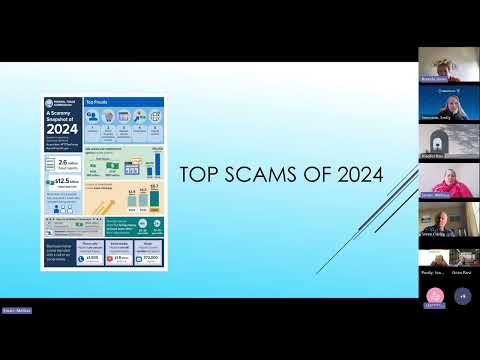
Melissa, a Fairfax County Land Development Services staff member, told a virtual Fairfax County outreach session that recent Federal Trade Commission estimates show a substantial portion of U.S. adults report scam experiences. "It is estimated that, approximately 11 percent of adults or over 25,000,000 people have been the victim of a scam during a 1 year study period," she said, citing the FTC.
The presentation outlined why scams are underreported and offered practical steps residents can take. "The IRS is never gonna call you to ask for money," Melissa said when describing impostor scams. She listed the FTC's top scam categories — impostor scams (IRS, Medicare, Social Security), online-shopping fraud, business/job opportunity schemes, investment fraud and internet/tech-support scams — and urged consumers to verify contacts and decline urgent, payment-oriented demands.
Why it matters: County officials told participants that underreporting and multiple estimate sources make aggregate monetary-loss figures imprecise, but local impacts can be severe: officials recounted local victims who lost life savings or large sums after investment and romance scams. Fairfax County consumer affairs and the county police financial-crimes unit field complaint reports and offer guidance.
Local officials advised practical steps to reduce risk: do not pay demand‑oriented callers by gift card or over the phone; verify advisers through FINRA before hiring; prefer credit cards over debit when possible to retain dispute protections; avoid granting remote access to your computer; and meet sellers from online marketplaces at neutral public locations.
Melissa summarized the everyday rule: "If it sounds too good to be true, then it probably is." The county will post the presentation slides and a recording for attendees and will continue outreach through Silver Shield and partner groups.
The session closed with contact information and referral points for residents seeking help. Fairfax County Consumer Affairs (which maintains a helpline for fraud questions) and the Fairfax County Police financial-crimes unit were highlighted as local resources; the county said consumer affairs is available on weekdays during standard business hours.