Committee extends Maine Lobster Marketing Collaborative for two years after split votes
Loading...
Summary
Faced with calls from some fishermen for a shorter review, the committee rejected a three‑year reauthorization of the Maine Lobster Marketing Collaborative and instead approved a two‑year extension with staggered board terms and direction to solicit more industry input.
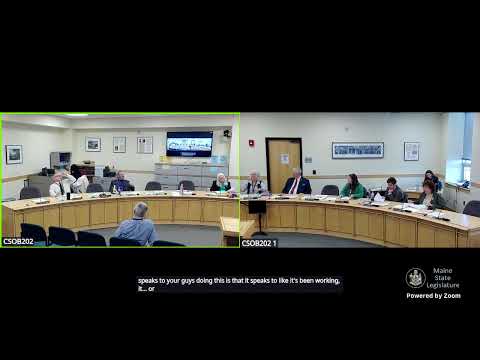
The Marine Resources Committee considered LD 2002, which would extend the statutory repeal date for the Maine Lobster Marketing Collaborative. Members heard mixed testimony: several industry groups and the collaborative supported a longer extension so marketing work could continue, while some lobstermen and zone representatives pushed for a shorter authorization and greater fishermen input.
Jason Joyce of the New England Fishermen Stewardship Association told the committee that many fishermen wanted a shorter extension to allow a more thorough review of spending priorities and potential reallocation toward resiliency work. Mary Anne Lacroix, the collaborative’s executive director, said a return‑on‑investment study and a new strategic RFP would cost an estimated $200,000–$300,000 and argued longer continuity would aid contracting and strategy work.
The committee first voted on a motion by Rep. Brett Hepler to reauthorize for three years; that motion failed on the roll call (committee reported the motion failed with 7 opposed and 4 in favor). Rep. Jim Thorne then moved a narrower amendment: a two‑year extension with staggered board terms and the committee’s option to draft enabling legislation; that motion passed on a committee record vote with the members present. The committee also discussed potential adjustments to the fee structure and a fishermen survey to collect input before the collaborative acts on any new long‑term plan.
Why it matters: the collaborative is the primary statewide vehicle for lobster promotion, trade outreach and crisis communication; its powers include marketing, promotion and accepting public or private funds. Fishermen who complained about recent price declines sought quicker review of how pooled funds are spent. Supporters said an extended collaborative helps sustain a coordinated marketing voice — useful during conservation debates or public relations events.
What’s next: the committee directed staff to incorporate staggered terms in the collaborative’s governing language and encouraged the collaborative and Lobster Advisory Council to poll fishermen and report back, and flagged the return on investment and funding options (including possible dealer contributions) for further work.