Lifetime Citizen Portal Access — AI Briefings, Alerts & Unlimited Follows
PCMA warns HB 192 could raise costs and harm safety standards; committee questions impact
Loading...
Summary
The Pharmaceutical Care Management Association testified that HB 192 would raise dispensing fees, risk a 'pill tax,' remove accreditation standards, and mandate reporting of acquisition costs in ways that could increase drug spending; committee members pressed PCMA on data and vertical integration trends.
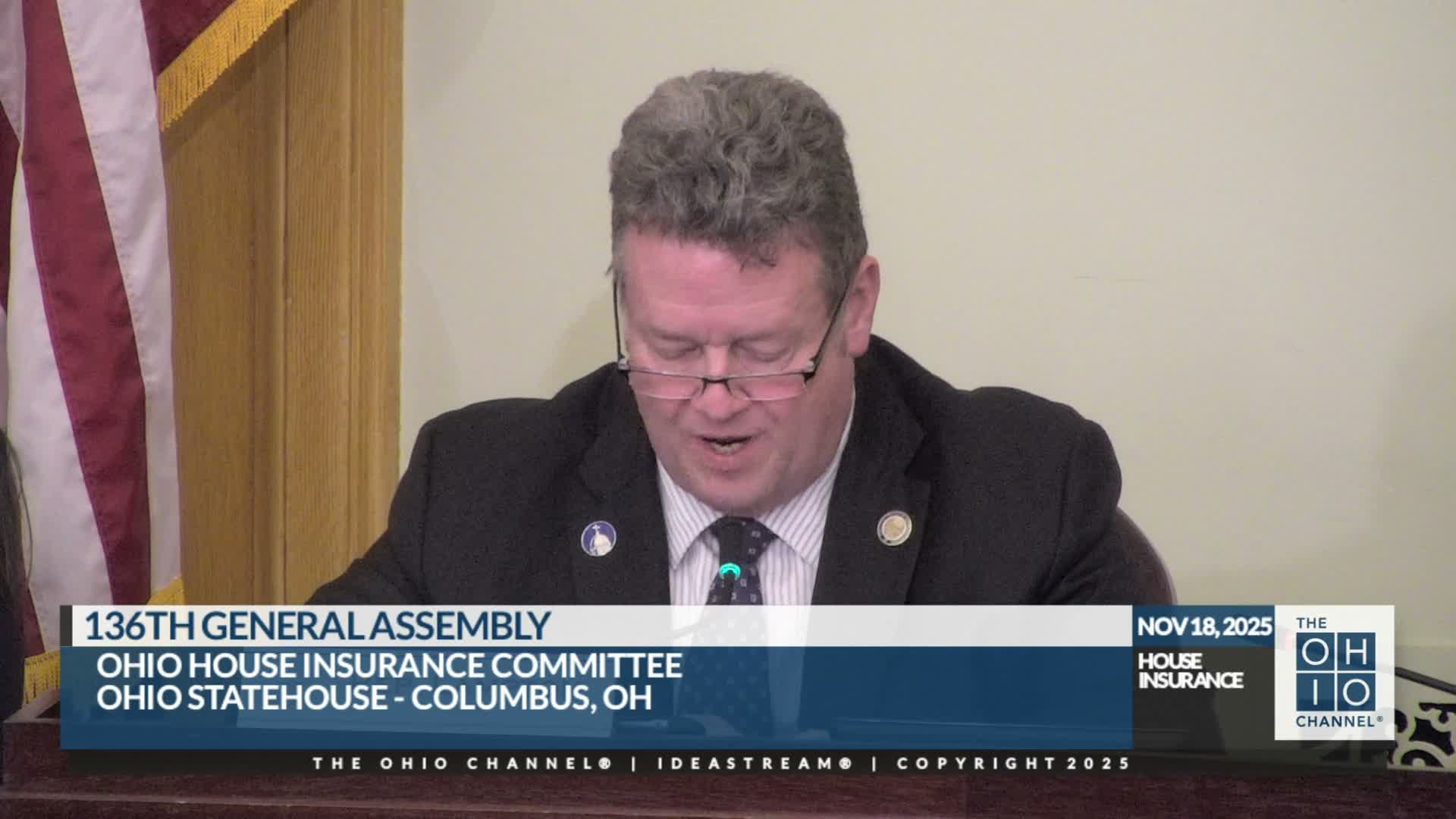
Sean Stephenson, senior director of state affairs for the Pharmaceutical Care Management Association (PCMA), testified in opposition to House Bill 192, the Community Pharmacy Protection Act, arguing the bill contains provisions that would have unintended consequences for drug costs and patient safety.
Stephenson said HB 192 would, among other things, prohibit PBMs and plans from requiring third-party accreditation for pharmacies, impose minimum dispensing fees tied to Medicaid tiered rates that he said would raise costs in the commercial market, and require reporting of "actual acquisition cost" figures that may not reflect common off-invoice discounts. "This bill unfortunately includes significant policy changes that are of deep concern, including reducing patient safety standards via accreditation prohibitions, mandating an increase to cost of prescription drugs via the pill tax..." Stephenson testified.
He gave an example he described as West Virginia's experience: after raising a dispensing fee he said statewide drug spending rose from $26 million to $113 million. Committee members pressed on the mechanics of how higher dispensing fees could translate to higher point-of-sale costs for patients, on pharmacy acquisition-cost accounting, and on whether vertical integration (PBMs owning pharmacies) is changing market dynamics. Representative Sweeney and others asked whether outcomes vary by payer type and whether PBMs could absorb or shift costs. Stephenson said PBMs apply downward pressure on costs and offered an illustrative split of the drug dollar: "65¢ goes to the manufacturer, 25¢ to the pharmacy, 6¢ to PBM, and 4¢ to the wholesaler." No vote was taken; several written opponent and interested-party testimonies were also noted in the record.