Get AI Briefings, Transcripts & Alerts on Local & National Government Meetings — Forever.
Washington GOP leaders vow to fight Senate income tax, cite affordability and constitutional concerns
Summary
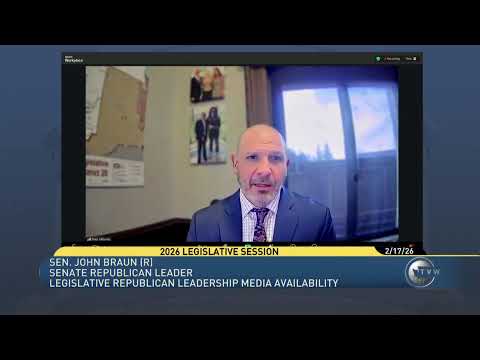
Republican legislative leaders used a weekly media availability to denounce the Senate-passed income tax, warning it will raise costs for families and businesses, and said they will press the House to halt or amend the measure and preserve a referendum option.
Republican leaders held a press availability in Olympia this week to oppose the income tax the Senate passed and to outline a strategy to block or roll back the measure as it moves to the House. Senate Republican Leader John Braun and House Republican Caucus Chair Rep. Peter Abarno said the tax would worsen affordability for Washingtonians and risk expanding in future sessions.
"Affordability, affordability, affordability," Braun said, urging reporters to cover what he described as many proposed revenue measures. Braun listed several levies he said were under consideration — including a proposed vape tax, a prescription drug charge, levies on data centers and grocery-bag fees — and said one employer assessment tied to Apple Health or Medicaid users would amount to "just under $700 per person per month" as described in his remarks. He described the cumulative effect as "a bill just over 1000000000 dollars."
Rep. Abarno pointed to the state's revenue forecast and argued increases reflect prior tax changes rather than new resources for families. He said the Senate's bill, as passed, contains limited direct relief and criticized transfers he said diverted funds away from other priorities.
During questions, Republican leaders repeated constitutional objections and warned the measure could broaden over time. Several speakers recommended removing the bill's "necessity" clause so the measure could face a public referendum, a procedural change they said would allow voters to decide the issue rather than foreclose a challenge.
The leaders also said they plan to press House Republicans to oppose the measure and suggested the tax will have a harder time passing in the House than in the Senate. No formal vote or amendment occurred during the availability; the briefing ended early for scheduled floor action.
The media availability quoted Republican leaders and included several figures and bill references discussed on the floor. The exact numbers and bill descriptions were provided by speakers during the briefing; some dollar figures were described as estimates by the speakers.