Get AI Briefings, Transcripts & Alerts on Local & National Government Meetings — Forever.
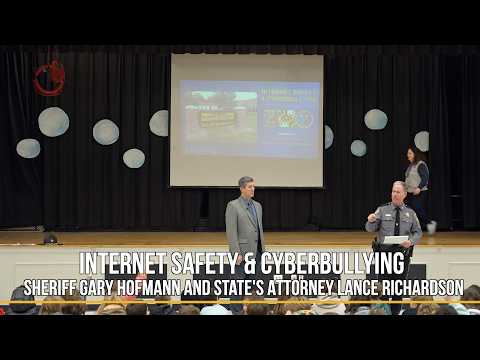
Sheriff Hoffman, State's Attorney Lance Richardson urge students to think before they post
Summary
Queen Anne's County Sheriff Hoffman and State's Attorney Lance Richardson visited a local classroom to warn students about online risks — from fake accounts and clickbait to threats that trigger police response — and to advise keeping passwords private and telling adults when something feels wrong.
Sheriff Hoffman and State's Attorney Lance Richardson spoke to a school class in Queen Anne's County about online safety, advising students to keep personal information private, use strong passwords, and tell an adult if something online makes them uncomfortable.
"My job is when people go to court for breaking the law, that's where I have to present the evidence in court to a judge or a jury," Richardson told the students as he explained why law enforcement sometimes needs social-media records. The speakers emphasized that online posts can have long-term consequences: "Once you hit send, it's always out there forever," Sheriff Hoffman said.
The presenters named common platforms students use — including Snapchat, Roblox and Fortnite — and warned that social sites and gaming platforms can be used by people seeking personal information or to create fake accounts. Richardson described how investigators can obtain preserved content: "I send what's called a subpoena court order to Snapchat ... they'll send me the entire account," he said, adding that deleted material may still be retained in platform clouds and could be obtained in investigations.
Both presenters urged students not to share identifying details such as school or home address on profiles, to refrain from sharing passwords with friends, and to involve parents. Sheriff Hoffman suggested students record their passwords in a secure place for parents to access if needed. They also discussed scams and clickbait, advising students not to click on unknown links that might install malware or harvest information.
The session included warnings about threats and harassment online. Sheriff Hoffman said that statements about bombs or violence made online can prompt police response, search warrants and seizure of devices, and he urged students to report threats to teachers or counselors immediately rather than treating them as jokes.
As a real-world example, presenters recounted a recent case they said involved siblings who met someone online and were abducted after the person traveled to Florida; the presenters cited approximate distances when describing the incident. The presenters used the case to underscore the risks of communicating with strangers online and the importance of parental oversight.
The talk closed with a reminder that online behavior can affect future opportunities: Richardson said employers often review social media when hiring, so students should think about the image they present. The presenters encouraged kindness online and stressed that students should speak up if they see something wrong.
The visit concluded with thanks to teachers and staff for hosting the presentation and a final appeal: protect personal information, share concerns with adults and choose posts carefully because they may persist for years.