Lifetime Citizen Portal Access — AI Briefings, Alerts & Unlimited Follows
State's new housing allocation method would more than double Lake Oswego's 20‑year need to about 4,850 units, staff warns
Loading...
Summary
At a Feb. 23 Planning Commission meeting, city staff said a statewide housing‑capacity method adopted in late 2024 would raise Lake Oswego's 20‑year housing allocation from about 1,968 units to roughly 4,850, prompting discussion of rezoning, capacity and what state enforcement might look like.
Lake Oswego officials were briefed Feb. 23 that a newly adopted statewide housing‑capacity methodology would substantially increase the city's 20‑year housing allocation and could reshape upcoming rezoning and planning work.
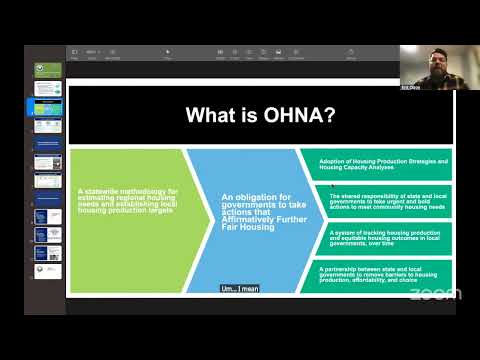
Eric Olsen, the city's long‑range planning manager, told the Planning Commission that under the new statewide OHNA system "the city's projection of housing need over that 20 year time frame would more than double" — from roughly 1,968 units in Lake Oswego's 2023 HNA to "closer to 4,850 units" under the state methodology. Olsen said the state framework, adopted in late 2024, accounts for historical underproduction, homelessness and second/vacation homes and allocates need across jurisdictions using regional methods and transit/access weighting.
The shift matters because Lake Oswego tied its Housing Production Strategy (HPS) to the earlier analysis: the city adopted an HPS in November 2024 that staff said was approved by the State Department of Land Conservation and Development (DLCD) the following April. Olsen said the new OHNA approach will require the city to revisit assumptions about capacity and affordability targets and to think about the scale of forthcoming work such as rezoning and a code audit.
"We adopted the HPS back in November 2024," Olsen said. "We're in what the state is now calling the pre‑OHNA cohort."
Councilor Verdi noted recent local steps the council has taken while the commission considers the state changes: "We the council did pass the rezoning of 4000 Cruise Way Place, so that has been agreed upon and is moving forward," she said, and reminded commissioners about council goal‑setting priorities including inheriting Pioneer Cemetery and completing a connection between George Rogers and Foothills.
Commissioners asked staff about the practical effects of the state's housing acceleration program and whether the state could compel local code changes or withhold funding. Jessica (a commissioner who spoke during the exchange) and staff flagged that the new statewide process includes model codes and other mechanisms that could be used if a jurisdiction does not take actions recommended in its HPS. "They could come in and require us to use their model code instead of our own code," Jessica said, and stressed that details on enforcement remain under development.
Commissioner Brian, who described the change as "a huge shift," urged the commission to consider public hearings or work sessions to document Lake Oswego's production and pipeline before state intervention: "We would like to negotiate this before getting in the penalty box," he said, pressing staff to compile evidence of units already permitted or in the pipeline.
Staff told the commission that reporting to the state is based on permit and certificate of occupancy data, and that upcoming city work — a citywide rezoning and a code audit — will seek to identify areas that could support additional residential capacity. Olsen emphasized that potential capacity (what rezoning could allow) is not the same as actual constructed units and that market forces and funding availability will influence how many units are built.
The commission approved the Jan. 26, 2026 minutes by motion and voice vote during the meeting. Staff said they will seek follow‑up information on the housing acceleration program's practical enforcement measures and model codes and will return with more specifics as available.
Next steps: staff scheduled the commission to review the planning work plan on March 9 and continue Foothills conversations, including visioning and goal setting, at the March 23 meeting.