Lifetime Citizen Portal Access — AI Briefings, Alerts & Unlimited Follows
Marketplace enrollment falls after enhanced subsidy expiration; Oregon readies a state‑based marketplace
Loading...
Summary
OHA told lawmakers marketplace enrollment fell about 15.25% since 2025 after enhanced premium tax credits ended; the agency outlined a multi‑year state‑based marketplace transition with projected costs of roughly $97M through 2031 and flagged data limits on tracking disenrolled consumers.
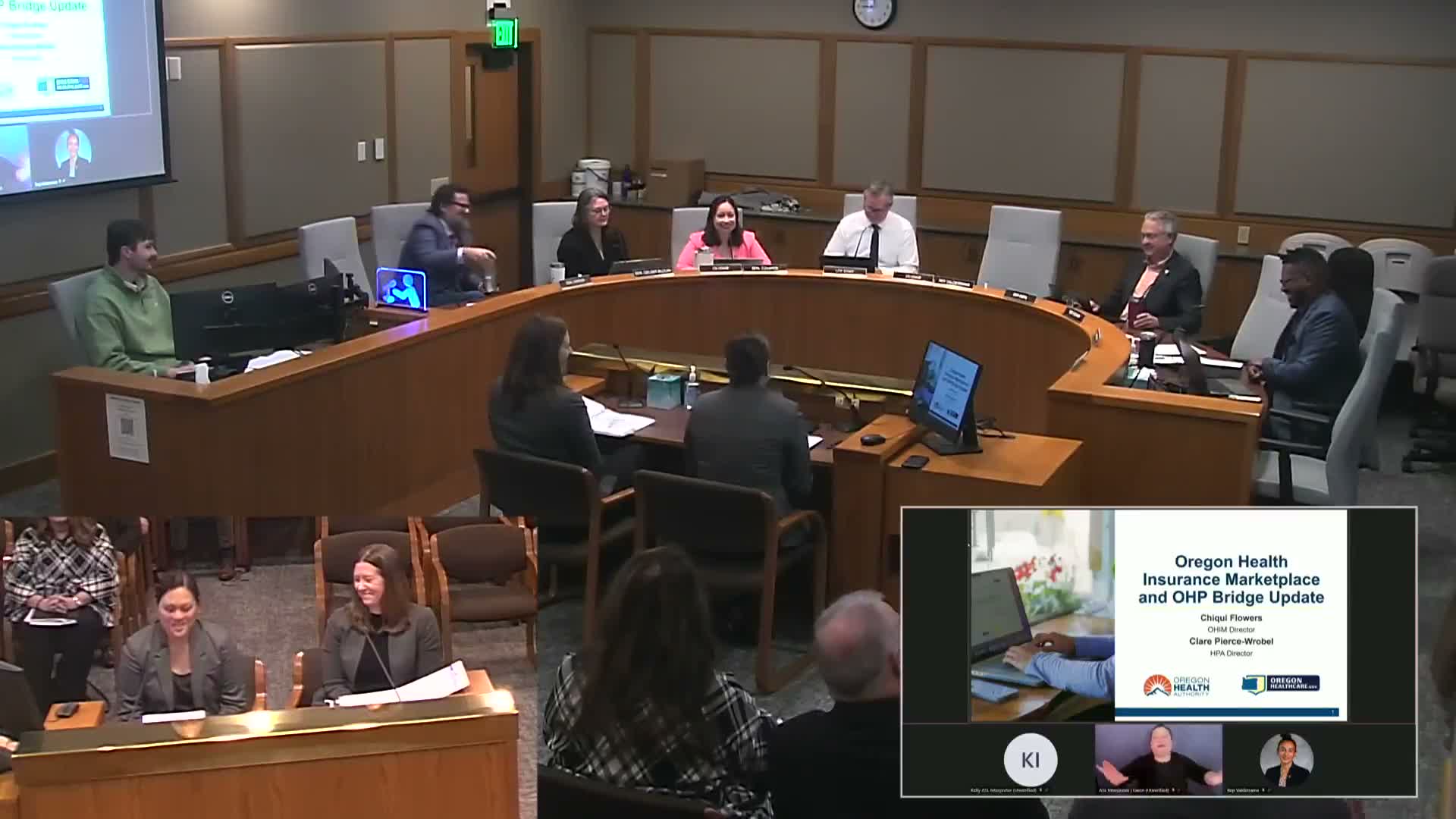
Cheeky Flowers, director of the Oregon Health Insurance Marketplace, briefed the Ways and Means Human Services committee on Feb. 11, saying the expiration of enhanced premium tax credits on Dec. 31, 2025 was the primary driver of large price increases and an enrollment decline in 2026.
Flowers said the enhanced credits, introduced in 2021, had previously reduced costs for more than 111,000 Oregonians; with the end of the enhanced credits some households now face monthly premium increases in the low hundreds. "Thousands of people in Oregon are now paying $127 to $456 more per month for coverage, depending on their income," Flowers said. She reported that open enrollment resulted in a 15.25 percent drop in marketplace enrollment compared with 2025, a decrease of about 40,000 plan selections, with heaviest losses in silver and gold plans.
Flowers told lawmakers the state is transitioning from using the federal healthcare.gov platform to a full state‑based marketplace (SBM) as required by Senate Bill 972 (2023). She said Oregon is in phase 2 of the SBM project and listed projected implementation budgets: about $14.6 million for initial implementation through March 2027, another $9.4 million April 2027–Dec. 2029, and ongoing maintenance obligations that bring the total projected investment through 2031 to just over $97 million.
On marketplace finances, Flowers said the legislature approved up to $41.8 million as a spending limitation for the current biennium and that the marketplace projects $39.7 million in expenses. She said the marketplace has collected about $3.2 million so far in the biennium and projects an additional $29.4 million to be collected for Jan. 2026–June 2027; she also noted federal user fees paid to CMS by carriers totaled an estimated $12.4 million last year and could reach roughly $21.4 million this year under current premium levels.
Representative Nelson asked where roughly 20,000 people who left marketplace coverage were going; Flowers said Oregon currently lacks the data, because the state has relied on healthcare.gov and does not have direct access to full enrollee tracking. "Because we are on healthcare.gov, we do not have access to the data to be able to track where marketplace enrollees are going," Flowers said, and she said OHA and OHP partners are working to understand migration patterns.
Claire Pierce Roble of OHA spoke to the Basic Health Program (OHP Bridge), reporting that BHP enrollment continued to rise and reached about 42,000 people as of February 2026. Pierce Roble said the BHP trust fund held about $392 million as of December 2025 but cautioned that a portion (roughly $257 million) reflects excess interim federal payments that CMS will likely recoup through reconciliation; she estimated roughly $61 million of the balance represented a "true surplus" available to pay future BHP costs but said CMS reconciliation is pending and could change that estimate.
Flowers and Pierce Roble said the SBM transition will include public engagement, testing and coordination with CMS, and that the marketplace will run an annual assessment process in spring 2026 to set per‑member assessment rates for carriers when Oregon leaves healthcare.gov in 2027. Both presenters said they will provide further data and analysis to the legislature as CMS releases final reports and as the SBM implementation proceeds.