Get AI Briefings, Transcripts & Alerts on Local & National Government Meetings — Forever.
Utah Senate advances wide set of bills, sending multiple measures to the House
Loading...
Summary
The Utah Senate on floor action advanced and read several substitute bills for third reading and passage, including measures on housing investment zones, court and civil procedure reforms, child care expansion, and law enforcement AI transparency. Multiple bills were substituted, amended, and passed by roll call.
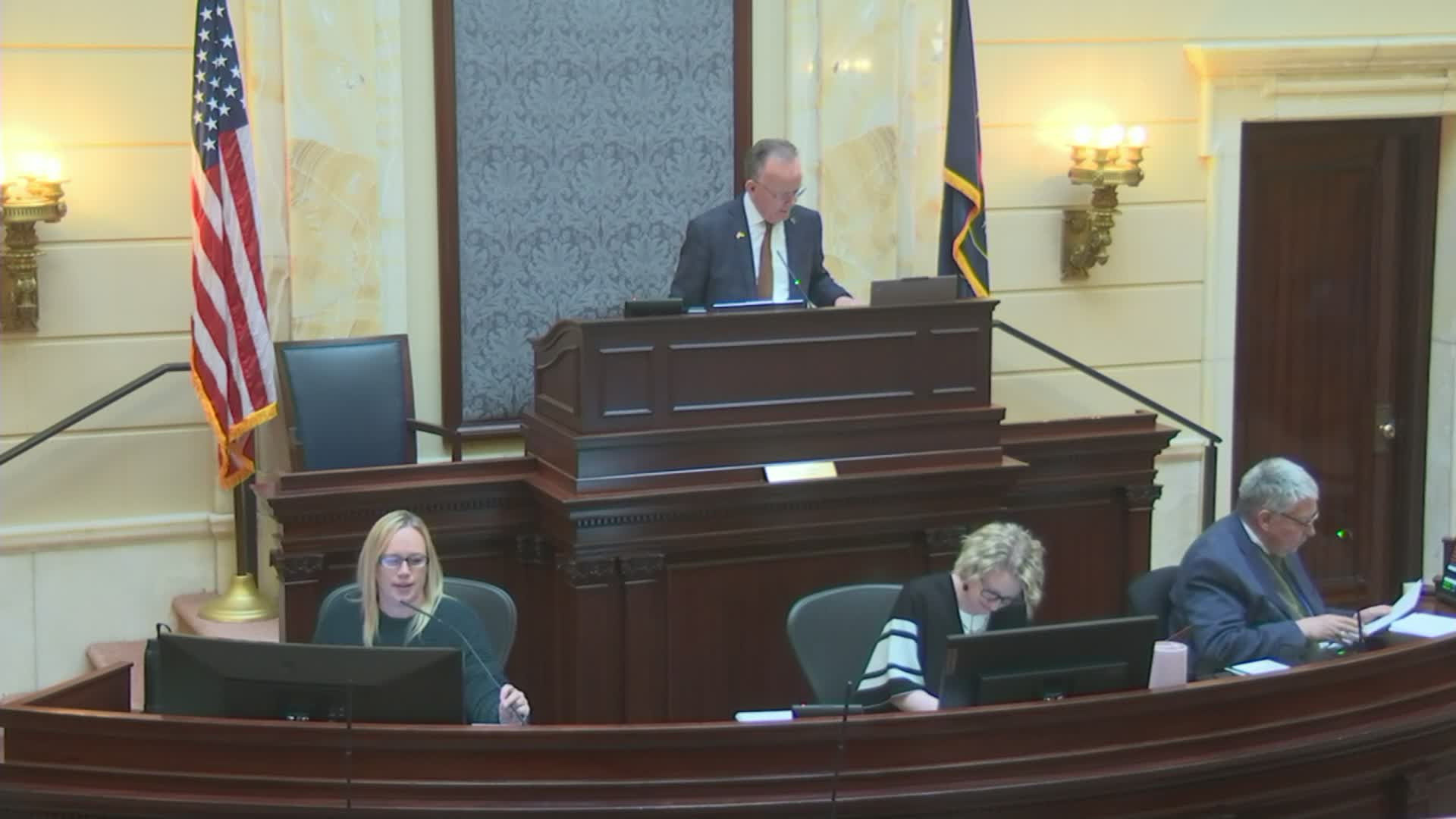
The Utah Senate moved through a lengthy second- and third-reading calendar on Feb. 24, adopting a rules committee report and advancing dozens of measures to committee or for final passage.
Senators adopted the Rules Committee report and assigned numerous House and Senate bills to standing committees before turning to individual bills. Notable outcomes included the passage of the second substitute Senate Bill 221 (housing, transit and investment zone amendments), which passed 16–2 with 11 absent and will be sent to the House. The Senate also approved or read for third time a sweep of measures including domestic relations amendments (second substitute SB 257, 26–0–3 absent), state collections and housing court amendments (SB 270, 23–0–6 absent), and the Child Care Expansion Act (SB 248, 19–4–6 absent).
Other bills the Senate read or passed included: identity and likeness protections in a first substitute to SB 256 (passed 25–0–4 absent); motor vehicle civil action procedural changes in SB 74 (third substitute advanced after substitution); and law enforcement artificial intelligence transparency in first substitute SB 205 (28–0–1 absent). Sponsors frequently offered brief explanations or verbal floor amendments; several bills were substituted to remove contested provisions (for example, raw-milk language was removed from the local food amendments, SB 217).
Procedural motions (circled/uncircled) and substitute motions were frequent on the floor as sponsors worked to reconcile committee language and fiscal notes. The Senate placed House Bill 22 back on the third-reading calendar to appear on the House Day schedule, and adjourned until Wednesday, Feb. 25 at 10 a.m.
Votes listed here reflect the counts read on the floor during roll-call votes; tallies and final text will be transmitted with enrolled bills to the House or enacted per the legislative process.
Votes at a glance (selected): - Second substitute SB 221 (housing/transit/investment zone): passed, 16–2, 11 absent. - Second substitute SB 257 (domestic relations): passed, 26–0, 3 absent. - SB 270 (state collections and housing court): passed, 23–0, 6 absent. - SB 248 (Child Care Expansion Act): passed, 19–4, 6 absent. - First substitute SB 256 (identity/AI protections): passed, 25–0, 4 absent. - Second substitute SB 1 76 (landscaping procurement/electric equipment): passed, 18–11. - First substitute SB 205 (law enforcement AI transparency): passed, 28–0, 1 absent.
The session included multiple sponsor explanations and brief Q&A on the floor; when substantive debate occurred, sponsors often waived summation and called the question. The Senate adjourned and will reconvene on Feb. 25.