Lifetime Citizen Portal Access — AI Briefings, Alerts & Unlimited Follows
Committee hears broad support for moving animal rescue rules into ODA rulemaking
Loading...
Summary
House Bill 4034 would move detailed operational requirements for Oregon's animal rescue entity (ARE) program out of statute and into Oregon Department of Agriculture rulemaking; sponsors and a wide range of rescue organizations and ODA supported the change at the Feb. 17 hearing.
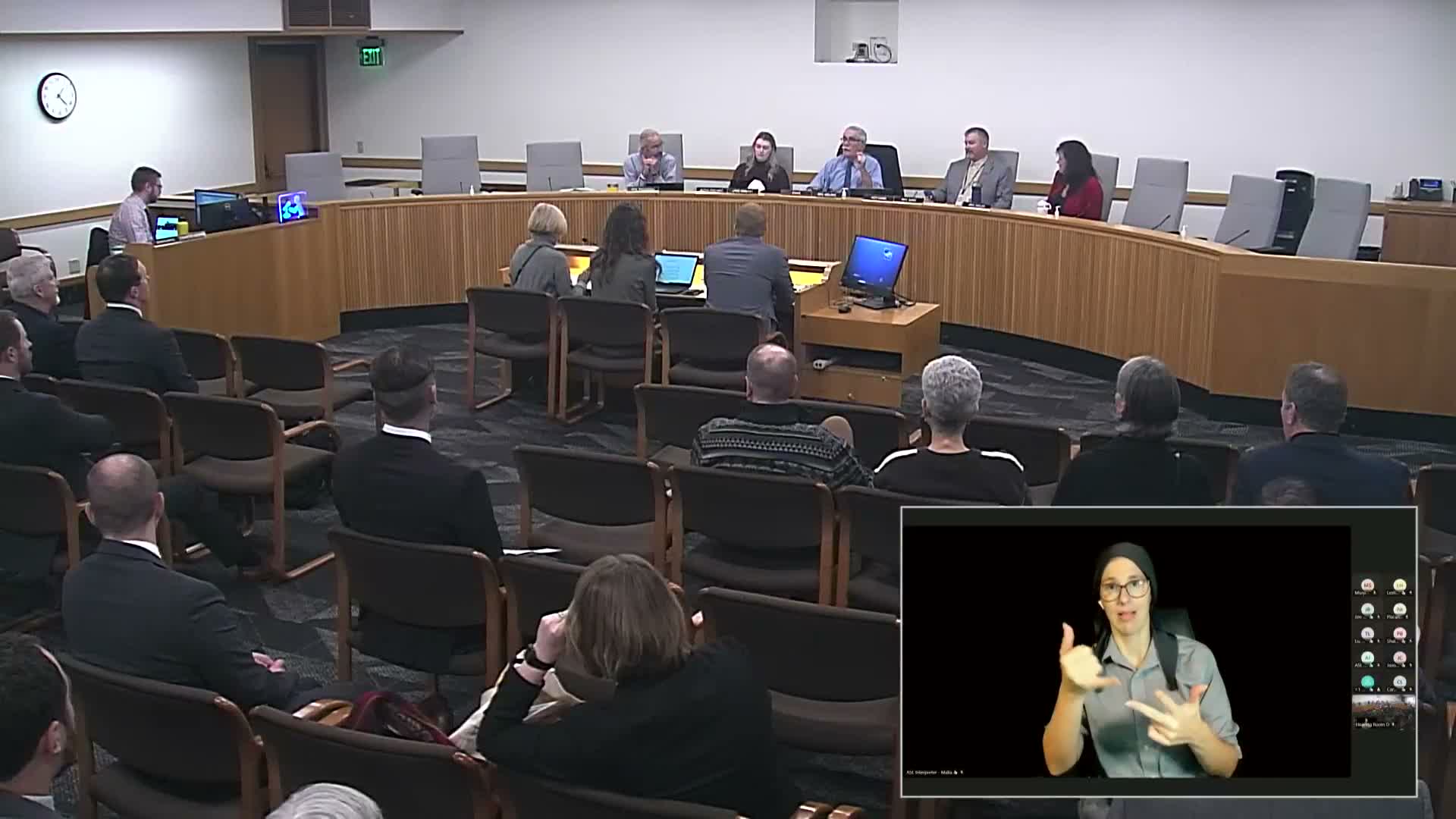
House Bill 4034 would shift detailed operational requirements for Oregon's animal rescue entity (ARE) program out of statute and into rulemaking administered by the Oregon Department of Agriculture, sponsors and witnesses told the Senate Natural Resources and Wildfire Committee on Feb. 17.
"The current animal rescue entity statute is onerous," said Senator Courtney Naron Mislin, a sponsor, arguing that technical recordkeeping requirements and cumulative fines divert limited time and money away from animal care. She and Representative Bobby Levy, who introduced the bill in the House, said the change preserves court oversight and statutory safeguards while giving the Department of Agriculture flexibility to adopt outcome‑based rules.
Jonathan Sandow, deputy director at ODA, told the committee the agency supports the bill and that prescriptive statutory requirements proved unworkable in practice. "One example we like to use is the statute requires a physical address be given when an animal is surrendered," Sandow said, noting some animals come from places without a physical address and that treating such omissions as per se paperwork violations can be counterproductive.
Multiple rescue operators and humane‑society representatives described real harms under the prior enforcement regime. Shangel Beers, vice president of PAWS in Pendleton, said PAWS was fined $4,270 in 2024 after a virtual audit that recorded 15 violations tied to 10 records, mostly incomplete medication dosage entries. "Each one of those minor clerical errors was a $120 fine," Beers said, and the cumulative impact can divert dollars from food and medical care.
Leslie Hasssey, treasurer of Blue Mountain Humane Association, said virtual audits resulted in punitive civil penalties imposed without meaningful opportunity to explain or correct concerns. Heather Hines of Indigo Rescue described rising veterinary costs, private equity ownership of clinics and breeder activity as drivers of a regional rescue crisis that makes onerous paperwork and fines especially harmful to small, volunteer‑run organizations.
George Okolich, representing the Oregon Humane Society, said the ARE program, created in 2013 to address bad actors, still serves an important intent but that moving operational detail into rulemaking would keep safeguards while reducing burdens for legitimate rescues.
No committee vote was recorded at the Feb. 17 hearing. Sponsors and witnesses asked the committee to move the bill forward so ODA can implement practical rules that maintain animal welfare protections while reducing punitive consequences for clerical or technical paperwork errors.
The committee closed public testimony and proceeded to other items on the agenda.