Get Full Government Meeting Transcripts, Videos, & Alerts Forever!
Get email alerts on the Native Education topic
No spam. Unsubscribe anytime.
Panel opens Senate oversight hearing on Education Department programs for Native students
Summary
The committee opened an oversight hearing to examine Department of Education programs serving American Indian and Alaska Native students, highlighting Title VI grants, Native language programs, Title III higher-education funding, and concerns about proposed DOE reorganization.
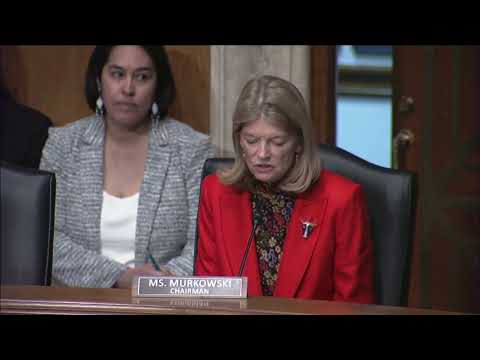
The committee chair opened an oversight hearing to examine U.S. Department of Education programs that help fulfill the federal trust responsibility to American Indian and Alaska Native students, saying the panel would hear from a slate of advocates and educators about how federal funding supports student success.
"We are here to learn more about the US Department of Education programs that work to meet the trust responsibility that the federal government has to our native students in elementary, secondary, and post secondary education," the committee chair said in opening remarks.
The chair outlined several Department of Education-funded programs, calling out Title VI Indian Education Formula Grants as a "cornerstone of federal Indian education policy" that supports tutoring, mentoring and social services in public schools. The chair also cited Native American language grants and the Alaska Native Education Program (ANEP) as efforts that connect students to culture, and noted Title III funding under the Higher Education Act supports Native-serving postsecondary institutions that help students remain in their communities while earning degrees.
"More than 90% of native students across our country attend public schools," the chair said, emphasizing that the Department of Education, alongside Interior, USDA and HHS programs, plays a key role in serving those students.
The chair warned that recent proposals and executive orders to alter or dismantle the Department of Education, as well as reorganization plans and reductions in force, have raised concerns among members about potential negative impacts on Indian education programs and services. He said witnesses' insights would help the committee chart a path forward to protect those programs.
The chair introduced the five members of the witness panel and noted that written testimony will be entered into the official record; oral remarks were asked to be kept under five minutes to allow time for questions. The panel includes Jason Dropick, executive director of the National Indian Education Association; Sydney Yellowfish, director of Indian education at Edmond Public Schools; Dr. Rosita Worrall, president of the Sealaska Heritage Institute; Nicole Russell, executive director of the National Association of Federally Impacted Schools; and Anawake Rose, president and CEO of the American Indian Higher Education Consortium.
Mr. Dropick was called to begin the panel's oral testimony, and the chair said the vice chair or Senator Schatz may interrupt for opening comments as they arrive.
The hearing will proceed with witness testimony and questioning; no formal committee votes or decisions were recorded in the opening remarks.