Get Full Government Meeting Transcripts, Videos, & Alerts Forever!
Get email alerts on the Facilities Bond Study topic
No spam. Unsubscribe anytime.
Board declines to pursue bond study now after months-long facilities debate
Summary
After a multihour discussion about facilities needs, timelines and finances, the Shoreham-Wading River Board of Education declined to authorize a bond study now and agreed to revisit planning after updated building-condition and budget data.
Shoreham — After nearly two hours of discussion and public comment about capital needs and timing, the Shoreham-Wading River Central School District Board of Education decided Jan. 27 not to move forward with a district bond study at this time.
The board weighed competing arguments: residents and some board members urged a study to generate options for a second turf field, a Miller Avenue cafeteria and other capital improvements, while others said the district should wait for a new five-year Building Condition Survey (BCS) due in 2029 and for clearer budget projections before paying an estimated $21,000 for a formal bond study.
"Based on that, I'm gonna move on this topic that the bond study, discussion's over. We're not gonna move forward with bond study," Board President said near the meeting's close, signaling the board's choice to delay commissioning a study.
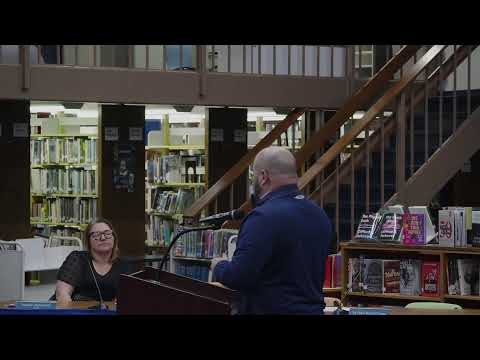
Advocates for an immediate study pointed to strong public interest, including a petition of more than 300 residents and repeated calls from parents and coaches who said field and cafeteria constraints limit student activity. "We're not asking for the moon," said resident Sean Swaying, asking the board to provide the kinds of facilities neighboring districts already have.
Administrators and the district's architect outlined the phasing and timeline that a study and a bond would require: a BCS is required by the state in 2029, and that document could be combined with an educational-facilities study so a bond, if approved by voters, could be in place to replace debt rolling off the books in 2032. The district architect said that approach would give staff time to draw designs, seek State Education Department approvals and present a vetted package to the community.
Supporters countered that construction and bidding cycles are long, and that delaying a community-driven planning process could leave the district unprepared when debt payments fall away. "2032 will be here in a blink of an eye," said public commenter Mark Paquette, urging the board to engage now and to quantify taxpayer impacts early in the budget cycle.
Board members who opposed immediate action cited data quality concerns in the existing BCS and a desire for up-to-date enrollment and budget information before committing public dollars to further study. Several members said they favored revisiting the idea when the BCS is updated and when the district's budget picture is clearer.
Next steps: the board did not authorize a bond study at the meeting; administrators said they would continue to monitor state UPK and capital funding opportunities, update the board during the budget process, and return with BCS and fiscal analyses to support any future decision to pursue a bond.