Get AI Briefings, Transcripts & Alerts on Local & National Government Meetings — Forever.
Virginia House approves broad slate of bills including minimum‑wage increase, gaming oversight and energy investments
Summary
On Feb. 27, 2026, the Virginia House of Delegates adopted a large package of third‑reading bills and resolutions, including a minimum‑wage bill that advances a $15 hourly floor by 2028, creation of a statewide gaming commission oversight structure, and energy measures aimed at home upgrades and grid resilience.
RICHMOND — The Virginia House of Delegates on Feb. 27 approved a broad set of third‑reading measures ranging from an incremental minimum‑wage increase to bills creating regulatory structures for gaming and funding for energy upgrades.
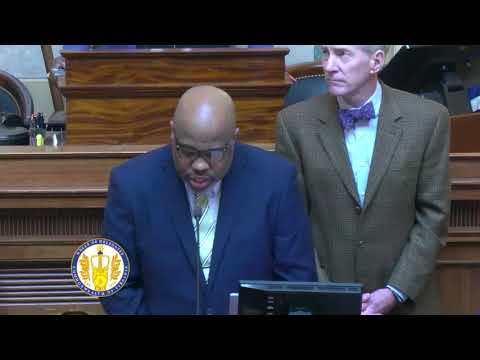
The House convened Friday morning with an invocation by Pastor Ray Ralston and routine procedural announcements before moving through a long uncontested calendar of Senate bills on third reading and a set of regular calendar items. Members adopted House Joint Resolution 178 honoring the Peace Corps’ 65th anniversary by voice vote.
Among the headline measures, Senate Bill 1 — a bill to raise the minimum wage incrementally to $15 an hour by Jan. 1, 2028 — passed on a recorded vote, 62 Ayes to 34 Noes. Delegate Ward, who moved the bill, described SB 1 as the House’s vehicle for implementing the phased increase.
Energy and utility bills were prominent on the floor. Delegates described legislation intended to unlock private and public investment for home energy efficiency — including a floor reference to up to $300,000,000 in home energy upgrades tied to a related House bill — and measures authorizing pilot programs for electric‑vehicle charging infrastructure and other grid enhancements. Delegate Hernandez characterized the energy package as “landmark energy legislation” designed to lower household energy bills by enabling investment in home upgrades.
Health‑sector measures reported out of committee also passed. The House moved and approved bills to shift administration of some nursing‑scholarship funds to the Virginia Health Workforce Development Authority and to direct agencies to develop coordinated approaches to sickle‑cell care and nursing‑home quality and oversight.
On ceremonial and constituent matters, Delegate Singh and others recognized returned Peace Corps volunteers in the gallery and the House adopted HJ 178 commending the organization.
Personal‑privilege remarks reflected political themes going into the session’s weekend. Delegate Anderson praised Governor Abigail Spanberger’s State of the Union response and said the House has worked with the governor to advance an affordability agenda: “she spoke clearly over and over again about lowering costs for working families, lowering housing costs, lowering health care and prescription drug costs,” Anderson said on the floor.
The clerk read recorded votes and committee substitutes where applicable throughout the session. Where committee substitutes were adopted, the body frequently approved them by voice vote prior to passing the underlying bill. Multiple bills passed unanimously or with wide margins; SB 1 produced one of the more divided recorded votes (62–34).
The House adjourned Friday to reconvene Monday at 12:00 p.m. Staff announcements after adjournment listed Appropriations and Courts of Justice subcommittee meetings and multiple committee sessions scheduled for Monday morning.
What’s next: most bills that passed will move forward per the legislative process (for example, some Senate bills that had amended House versions may lead to requests for conference committees); the clerk noted communications from the Senate rejecting several House amendments to specified bills and Delegate Herring moved that the House insist on its amendments and request committees of conference.