Lifetime Citizen Portal Access — AI Briefings, Alerts & Unlimited Follows
Oral arguments in Arthur West v. Washington State Legislature probe scope of speech-or-debate protection
Loading...
Summary
Attorneys debated whether Washington’s 1889 speech-or-debate clause shields legislators’ internal documents from Public Records Act disclosure, with plaintiff counsel urging a narrow text-based reading and legislative counsel pointing to Wisconsin and other state precedents supporting broader protection.
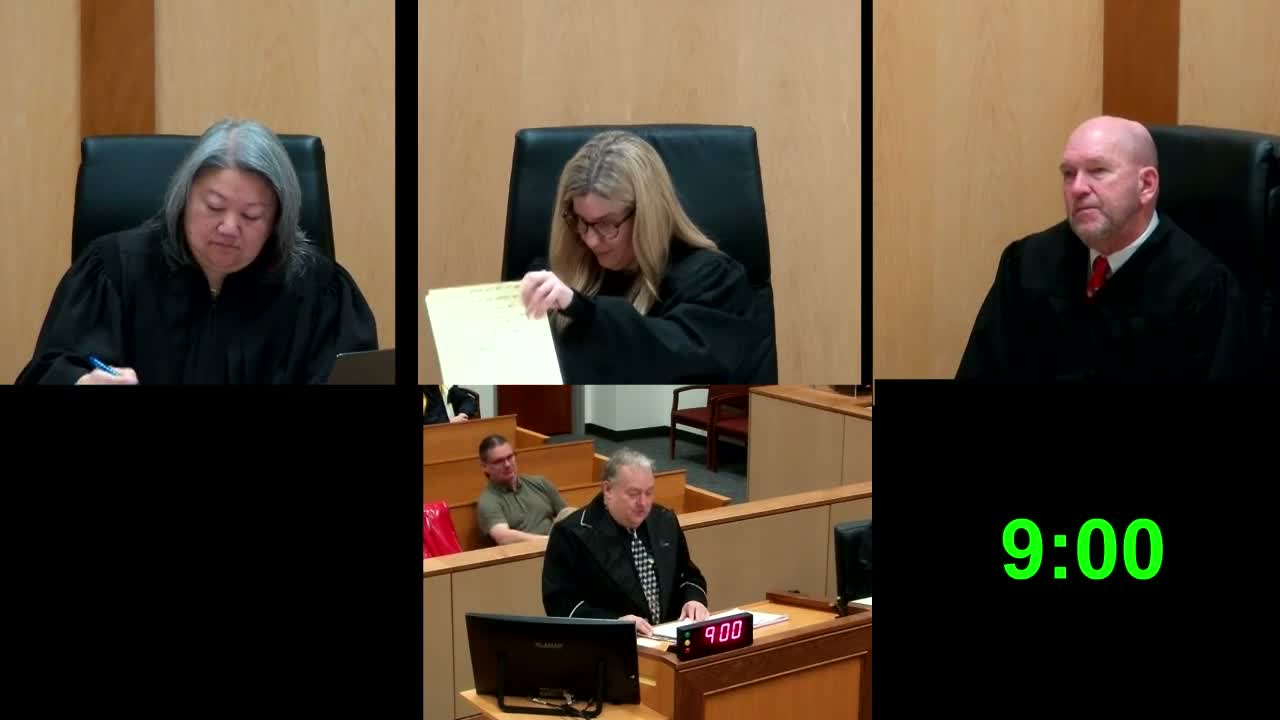
In oral arguments over case No. 601044 (Arthur West v. Washington State Legislature), attorneys urged the Washington court to decide whether the state’s speech-or-debate clause protects internal legislative documents from disclosure under the Public Records Act.
Arthur West, counsel for the plaintiff, told the court Washington’s constitution—drafted in 1889—must be interpreted on its own terms and not automatically aligned with federal speech-or-debate protections. "The framers feared the legislature, not royal persecution," West argued, saying the state framers deliberately omitted the federal nondisclosure language and paired the debate clause with provisions authorizing compelled testimony.
That framing mattered because, West said, an "absolute nondisclosure privilege would nullify" other constitutional guarantees, including provisions that promote openness and allow compelled testimony. He urged the court to perform an independent state-constitutional analysis and reverse the trial court’s broad redactions.
Jessica Goldman, representing the Washington State Legislature, told the justices the court should consider contemporaneous meaning, historical context and persuasive out-of-state precedent when interpreting the 1889 provision. "The Washington delegates adopted without any discussion Wisconsin's speech or debate clause," Goldman said, arguing that the clause as adopted was part of a national context in which legislative privilege was broadly recognized.
Goldman pressed that the clause’s terms—such as who counts as a "member" and what it means to be "liable"—have been read to include legislators’ aides and to shield certain legislative acts from civil or criminal liability. She cited Wisconsin decisions and Arizona’s recent Phan v. Kemp opinion, saying courts have treated the privilege as functional and purpose-driven and that, in some jurisdictions, it has been applied to document disclosures.
Joan Mell, appearing for Jamie Nixon and the Washington Coalition for Open Government, urged the court to reject a broad secrecy rule and to adopt a disclosure-default approach. "Records revealing internal deliberations concerning bills contemplated or introduced in either house of the legislature shall be disclosable unless the public welfare requires the content be kept secret," Mell told the court, arguing that the Public Records Act provides the mechanism for defining secrets in the public interest and that the trial court’s redactions were inconsistent and overbroad.
The justices pressed counsel on several points: the definition of "words spoken in debate," whether 19th-century practice created a federal consensus by 1889, and how to weigh chilling effects on citizens who seek confidential communications with legislators. Counsel disagreed about how broadly to read precedents like the Benno (Wisconsin) decision and the extent to which modern Public Records Act procedures inform constitutional interpretation.
No decision was announced from the bench. The court concluded the morning calendar, took the matter under advisement and adjourned. The outcome will determine how Washington balances legislative confidentiality and public access to records in future public-records requests and litigation.