Lifetime Citizen Portal Access — AI Briefings, Alerts & Unlimited Follows
CDC and CMS launch free Laboratory Director University to help CLIA‑certified labs meet regulatory requirements
Loading...
Summary
CDC’s OneLab and CMS introduced Laboratory Director University (LDU), a free, self‑paced training pathway for CLIA laboratory directors and staff that will include continuing education credits, a searchable CDART tool for common deficiencies, international access via OneLab accounts, and an expected full release in 2028.
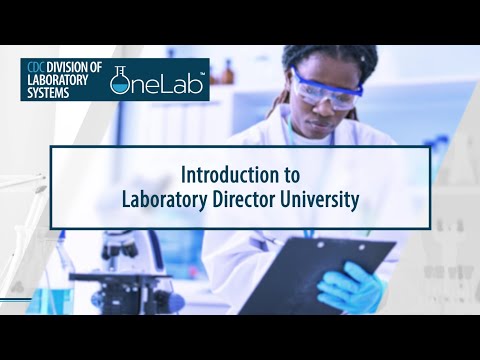
Sophie Maria, a consultant with GuideHouse supporting CDC’s OneLab initiative, opened a webinar announcing Laboratory Director University (LDU), a free, self‑paced training program intended to help laboratory directors and CLIA‑certified personnel improve compliance and testing quality.
The program, presented by representatives from the Centers for Medicare & Medicaid Services’ Division of Clinical Laboratory Improvement and Quality (CMS) and CDC’s Division of Laboratory Systems, offers seven learning topics ranging from director responsibilities and personnel qualifications to proficiency testing and a capstone featuring real‑life scenarios. “Laboratory Director University is a free training program offering self‑paced, high quality content and resources for current and aspiring laboratory directors,” said the webinar’s presenter during a short program video.
The course is aimed at both current and prospective laboratory directors and other laboratory staff who work under CLIA (the Clinical Laboratory Improvement Amendments of 1988). A CMS representative explained that under CLIA and implementing regulations (42 CFR part 493) the laboratory director is responsible for quality assurance, personnel qualifications, method verification, record keeping and corrective actions; serious or repeated deficiencies can lead to sanctions including civil monetary penalties or revocation of a CLIA certificate.
Program leaders said LDU will include continuing education (CE) offerings and that CE credit hours earned through LDU will count toward the program’s completion requirements. “Once the course has been fully released, it will have the 20 continuing medical education credits required by the CLIA regulations,” the presenters said. They also said individual courses will offer other CE types for laboratory professionals, and that participants will be able to print certificates and that credits will be tracked on the CDC OneLab website.
The webinar introduced the CLIA Deficiency and Research Tool (CDART), which presenters described as a searchable resource that lets users select deficiency codes and receive tailored e‑learning, job aids and interpretive guidance; users can download results for reference. Presenters did not provide a firm CDART launch date and said they will follow up with attendees about availability.
Presenters confirmed the program is open to users beyond laboratory directors: anyone seeking knowledge about CLIA requirements can enroll, and international users (including Department of Defense laboratories overseas) can participate if they create a CDC OneLab account. Attendees asked whether courses may be retaken; presenters said users will be able to retake courses if they do not pass. The presenters also said additional job aids and checklists would be released over coming months and posted to the CDC OneLab site.
Logistics and next steps: presenters said the current event is part of LDU’s Topic 1 and that a recording of the webinar will be posted to the CDC OneLab site within two weeks. The presenters estimated the full 20‑credit learning pathway will be available by 2028. For follow‑up questions, presenters directed attendees to the CMS Laboratory Excellence Team email and the OneLab inbox.
The webinar concluded with thanks to attendees and an invitation to provide feedback via the OneLab Box, which presenters said helps shape future events and course content.