Get Full Government Meeting Transcripts, Videos, & Alerts Forever!
Get email alerts on the Cruise Ship Discharges topic
No spam. Unsubscribe anytime.
Board denies petition seeking new cruise‑ship discharge regulations; staff cited limits on state authority
Summary
DEQ staff recommended denying a petition to initiate rulemaking on ocean‑class passenger cruise ships after finding several requested measures fall outside board authority and federal rules (including VIDA and recent EPA standards) limit state actions; the board voted to deny the petition.
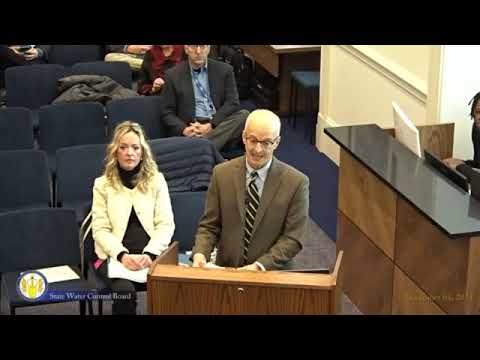
Joseph Bridal presented a petition from Dr. Robert Hodgson and ProtectVirginia.org asking the board to initiate rulemaking to: require low‑sulfur fuel, ban open‑loop scrubbers, require shore power, restrict dumping of gray/black water and other wastes, and require incident reporting and independent monitoring. Bridal summarized public participation: the public comment period drew about 397 written comments, roughly 388 of which supported the petition; organized supporters included Friends of the Earth and the Sierra Club (York River Chapter). Opposing comments came from four trade and tourism organizations.
DEQ staff explained legal and jurisdictional constraints. Staff noted federal and international frameworks that regulate vessel discharges, including Clean Water Act section 312 and 40 CFR Part 140, the Vessel Incidental Discharge Act (VIDA) (2018) and EPA’s vessel rules; Bridal explained that VIDA restricts states’ ability to adopt more stringent standards for incidental discharges once the U.S. Coast Guard’s implementing regulations are final, though states may seek more stringent measures through no‑discharge‑zone designations in state waters. DEQ concluded that several petition elements are outside the board’s authority and recommended denying the petition to initiate rulemaking. A motion to deny carried.
What the board decided: the board voted to deny the petition; DEQ will not start rulemaking based on this petition. Staff noted the petition’s water‑related elements (open‑loop scrubber discharges, gray/black water restrictions, incident reporting) that could fall within board authority but said much of the petition relied on authorities or standards housed in other jurisdictions or agencies.