Lifetime Citizen Portal Access — AI Briefings, Alerts & Unlimited Follows
Senator urges more flexibility in workforce programs to reach rural Alaska and attract young tradespeople
Loading...
Summary
A senator told the committee that federal workforce programs must be more flexible—covering childcare, transportation and supplies—to recruit Gen Z into skilled trades and to serve remote Alaskan communities that often lack road access.
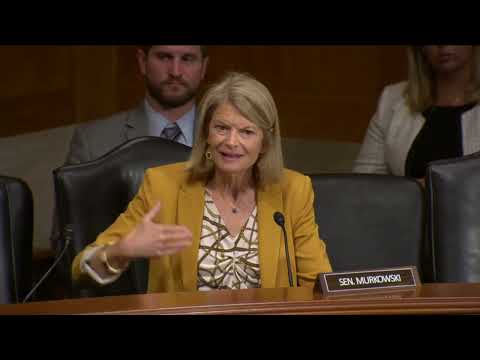
A senator told the committee that federal workforce programs need greater flexibility to reach young people and residents of remote Alaskan communities, citing social-media examples of young tradespeople and barriers created by geography and costs.
“Gen Z plumbers and construction workers are making blue collar cool,” the senator said, referencing a Wall Street Journal piece and social-media posts that, she said, show trade jobs pay well and can support young adults. She noted one California plumber’s TikTok video had about 470,000 views and used such examples to argue for improved outreach.
The senator said geography compounds the problem in her state: “I come from a big state with big geography, low population, super high costs…80% of the state of Alaska, our communities are not connected by road, so people gotta fly in.” She said transportation, childcare and other supports must be built into Workforce Innovation and Opportunity Act programs so rural residents can participate.
A witness responding to the senator described the workforce system as a "barrier reduction system," saying participants enter programs with varied needs and programs should be tailored rather than one-size-fits-all. “People come to the workforce system with very different backgrounds, very different needs…there has to be some flexibility,” the witness said.
A presenter from the Chicago Jobs Council pressed for an expanded definition of supportive services and for funds to reduce barriers. The presenter listed childcare, transportation, work supplies and equipment, and mental-health supports as items that should be eligible for funding and said fines and fees—including suspended driver’s licenses—can prevent people from getting to work.
Panelists also cautioned that federal regulations and the need to align training with regional economies make flexibility challenging, requiring careful program design. The committee did not take a formal vote on program changes during the segment covered in the transcript; discussion centered on how to structure WIOA-related supports to serve diverse populations and remote communities.
The exchange closed with thanks; no formal motions or next steps were recorded in the provided transcript.