Lifetime Citizen Portal Access — AI Briefings, Alerts & Unlimited Follows
Senator Murkowski urges H-2B fixes to shore up Alaska seafood workforce
Loading...
Summary
Senator Murkowski told the Senate committee that Alaska’s seafood processors depend on seasonal nonresident workers and urged federal officials to speed supplemental H-2B visas and to pursue legislation exempting seafood processors from H-2B caps, while also pressing for apprenticeships and on-site childcare supports.
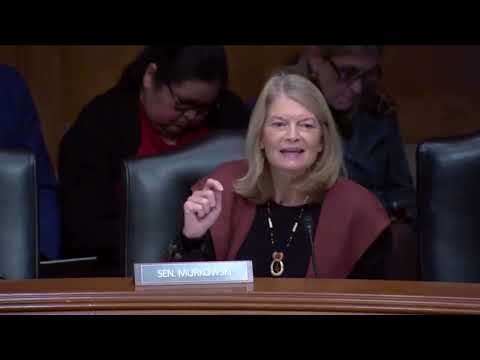
Senator Murkowski pressed federal officials on the unique labor pressures facing Alaska, saying the state depends heavily on seasonal nonresident workers to keep seafood processing plants operating.
Murkowski cited recent data drawn from the Alaska State Department of Labor and Workforce Development, saying "non resident workers in our state make up 23.5% of the workforce," and telling the committee that certain industries rely on even higher shares of non-Alaskan labor. She said nonresidents accounted for 37.4% of oil and gas jobs and 41.6% of mining jobs.
The senator stressed the acute dependence of the seafood-processing sector, which she said generates more than $5,000,000,000 in economic activity. "But what is even bigger is in 2023, 82.8% of the workers were nonresident," Murkowski said, describing many plants in small coastal communities that are difficult to reach without multiple airplane legs and high travel costs.
Murkowski argued that the seasonality of seafood—particularly salmon, where she described an "8 to 10 week season"—makes processors especially reliant on temporary foreign workers. She told the committee she needs assurance that federal officials will "not only support the H-2B visa program, but commit to working with me on legislation to exempt seafood processors from the H-2B visa caps," a proposal she said lawmakers have pursued for years and that has been stalled by labor opposition.
She asked officials to use the discretion available to them to issue supplemental visas in a timely manner and to coordinate with the Department of Homeland Security. The hearing record includes an indication from officials that they would work with her, but the reply in the transcript is not attributed to a named official.
Murkowski also urged strengthening domestic workforce pathways. She noted recent discussions about apprenticeships and recounted meeting with the head of the Alaska Military Youth Academy, saying the program could dovetail with AlaskaWorks training to steer young people into trades such as welding and carpentry.
Finally, Murkowski raised childcare as a practical barrier to employment, urging the committee and federal partners to prioritize families and to support incentives for on-site childcare so workers can access and remain in jobs.
The hearing record does not show formal votes or enacted measures on these requests; Murkowski said she would continue pursuing legislative relief and partnership with federal agencies.