Lifetime Citizen Portal Access — AI Briefings, Alerts & Unlimited Follows
Senator Sarah warns rescission plan could cut off public radio lifeline for rural Alaska
Loading...
Summary
A senator identified in the transcript as Sarah pressed the administration on a rescission package that could reduce Corporation for Public Broadcasting funding, warning that small Alaska stations—some receiving up to 70% of their budgets—provide emergency alerts and could be forced to close.
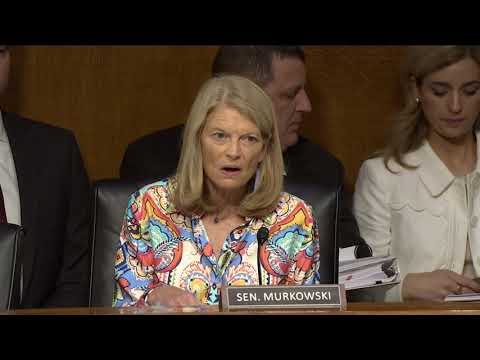
Senator Sarah (first name only in the transcript) pressed an administration official during a hearing about how a proposed rescission package could affect public broadcasting in rural Alaska, saying the changes could "force" small stations offline and imperil emergency alerts.
"There is no way to recalibrate. There is no, there is no safety valve for them," Sarah said, noting a CoastAlaska memo she placed in the record that lists 22 public-media stations in the state and shows varying degrees of dependence on federal support.
She described examples from the memo: one station in Sandpoint reportedly receives about 70% of its annual budget from public broadcasting funds, and another community (transcribed as "Rangel") relies on roughly 50%. She also cited a Barrow station whose coverage became essential after a fiber-optic cable was severed for months, and said stations in Fort Yukon and McGrath have been critical for wildfire updates.
"This is where they get the updates on that landslide. This is where they get the updates on the wildfires that are coming their way," Sarah said, adding that KNBA distributes programming to more than 60 tribal stations and that tribal communities would be disproportionately affected by cuts.
Sarah framed the exchange within the constitutional role of Congress over appropriations, saying lawmakers must not cede budget decisions to continuing resolutions or administrative rescissions alone. "I refuse that. I reject that," she said in response to a colleague's characterization of current appropriations tools.
An administration official, identified only in the transcript as "the administrator," responded that the administration would work with affected parties through the process and defended a proposal intended to address concerns about programming content. "I think we're to the point for decades we've had concerns with the extent to which public broadcasting was funding content that was run contrary to the American people," the administrator said, adding that the proposed run rate would give the administration a mechanism to address those concerns.
Neither the official nor the senator announced any formal action or vote during the exchange. Senator Peters was recognized to ask the next questions, and the hearing proceeded.
Sources: verbatim exchanges in the hearing transcript (Senator Sarah; the administrator).