Get Full Government Meeting Transcripts, Videos, & Alerts Forever!
Get email alerts on the Parking Management topic
No spam. Unsubscribe anytime.
Sedona council advances parking program planning, backs 'readiness‑first' approach to residential permits
Summary
Council heard a lengthy update on a coordinated Uptown parking management program tied to the June 2026 opening of the Uptown parking garage. Staff outlined five focus areas, including license‑plate recognition technology, a readiness‑first residential permit framework, employee parking solutions and a fee structure; council asked for tighter data-retention rules and ongoing public work‑group input.
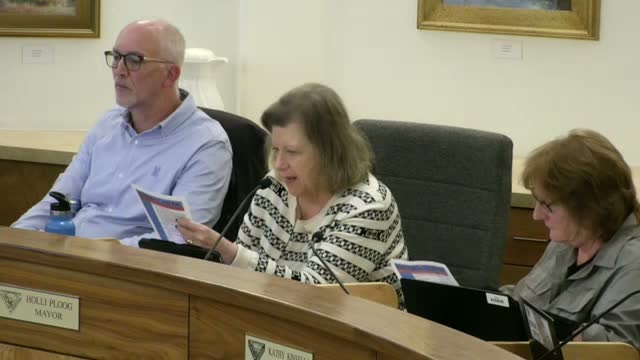
City staff presented an update on Uptown parking strategy at the Jan. 27 Sedona City Council meeting, outlining a system‑level approach the city plans to phase in alongside the Uptown parking garage, scheduled to open in June 2026.
Amber Wagner, Sedona's transit administrator, said staff organized work into five focus areas: parking management technology (including license‑plate recognition, or LPR), a readiness‑first residential permit parking (RPP) framework for an identified Uptown zone, strategies to replace lost public parking and address employee parking, and a parking fee/fee‑structure framework intended to fund operations and debt service.
On technology, staff confirmed the city's draft data‑governance policy would limit LPR use to parking credentialing and occupancy monitoring and would require automatic purging of data; staff said the retention period targeted today is 30 days (industry standard) but that procurement work seeks to shorten retention wherever possible. Council members and members of the public pressed staff on where LPR data would be stored (cloud vendor), whether vendors could be contractually prohibited from sharing data with third parties, and whether front‑plate vs. rear‑plate reading would introduce privacy risks (Arizona generally uses rear‑plate-only registration).
On residential permits, staff proposed a "readiness‑first" approach: develop ordinances, forms, signing/striping plans and an implementation playbook so the city can activate an RPP quickly if and when neighborhood impacts arise after the garage opens. Virtual permits (no fee initially) and guest/caregiver accommodations were proposed; staff also formed a 10‑member parking work group (5 residents, 5 business representatives) to advise on employee parking, fee options and permit details.
Council members expressed mixed views. Some said they prefer to be proactive and have materials and outreach ready prior to peak season; others said they want to wait for additional data from the work group and early garage operations. Multiple residents and business owners urged clear communication and easy ways to observe and participate in the work‑group meetings; at least one resident who previously opposed LPR technology is a member of the work group.
Staff said final fee recommendations and specific permit rules would return to council after work‑group input. Council directed staff to continue refining the data governance policy (with an emphasis on minimized retention and clear contractual safeguards) and to provide interim updates as each focus area reaches clear milestones.
Next steps: procurement for parking‑management technology will continue (RFP responses expected Feb. 5), pilot deployments are planned in the garage and managed lots, and the parking work group will meet again on Jan. 28 to begin detailing RPP and fee options.