Lifetime Citizen Portal Access — AI Briefings, Alerts & Unlimited Follows
Williamsburg-area transit agency outlines expansion plan, new North Transit Center and service frequency increases
Loading...
Summary
At a Feb. 3 York County work session, Colin Mats Kalia of the Williamsburg Area Transit Authority presented FY25 ridership gains, a six-bus order, an app-based ticketing rollout and a strategic plan to increase frequency on multiple routes and open a new North Transit Center this summer.
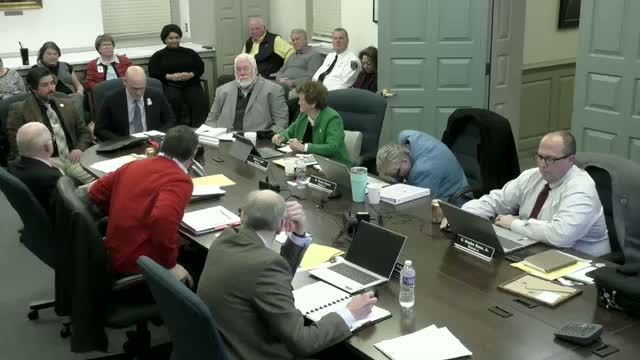
Colin Mats Kalia, representing the Williamsburg Area Transit Authority, told the York County Board of Supervisors on Feb. 3 that the agency’s FY25 ridership has recovered beyond pre-pandemic levels and that new investments will expand service and convenience.
“We did surpass FY 19,” Kalia said, noting that the agency’s core routes have recovered even when Route 15 Colonial is excluded. He credited improved operator staffing — roughly 97% to 100% strength on a typical day — for enabling restored reliability and more consistent service.
Kalia described the authority’s fleet as 20 clean-diesel and nine CNG buses, with six additional buses arriving in April: “Two will be clean diesel, and another four will be more of the compressed natural gas,” he said. Ben Goodall, introduced as the authority’s director of planning and administration, estimated the unit cost at about $700,000 and said delivery times are currently “typically 12 to 14 months.”
Kalia also outlined customer-experience work the agency has rolled out, including mobile ticketing and a real-time tracking app that sends alerts for delays and service changes. “You can download our app, set up your account, purchase the ticket on your phone, and you just walk onto the bus and you get scanned,” he said.
On infrastructure, Kalia previewed the WATA North Transit Center off Mooretown Road. The facility — now showing visible steel work on site — will include a covered canopy, indoor and outdoor waiting areas, digital displays and an information desk. Kalia said the authority will seek public comment before rerouting service to the new transfer hub and expects to invite supervisors to a ribbon-cutting this summer.
The transit authority’s strategic plan sets frequency targets to grow ridership: two routes already operate at 15-minute frequency (including Route 15 Colonial); the plan would add 15-minute service on Route 12 (Ironbound/Newtown) and move several other routes from 60- to 30-minute headways to improve convenience. Kalia said weekday service generally runs 6 a.m. to 9 p.m., Sundays 8 a.m. to 6 p.m., and the single-ride fare is $1.50 (a $3 all-day pass and a $45 monthly pass are also available). The board-approved policy to make rides free for K–12 students was noted as part of outreach to younger riders.
Board members pressed staff on connectivity to regional services and access for residents in the southern county. Kalia said current interconnects are limited — Lee Hall is the primary tie point to Hampton Roads Transit — and suggested feeder or microtransit options to move riders from neighborhoods to fixed routes. He also emphasized partnerships with local governments and institutions to prioritize stop improvements; 28 stops are currently slated for upgrades ranging from concrete pads and benches to shade and lighting.
Kalia asked supervisors to coordinate with county staff and VDOT where easements or property access is needed and said federal and state grants supply roughly 65% of the authority’s funding, minimizing local contributions.
The board did not take action on the presentation but welcomed the summer ribbon-cutting and asked staff to track public comment for any route changes tied to the new transit center.