Get AI Briefings, Transcripts & Alerts on Local & National Government Meetings — Forever.
Teton County District board approves one-year pilot of school impact-fee contribution
Loading...
Summary
After months of study and debate over methodology and price, the Teton County District board voted to pilot a school impact-fee/donation program for one year and coordinate implementation with nearby cities and the county.
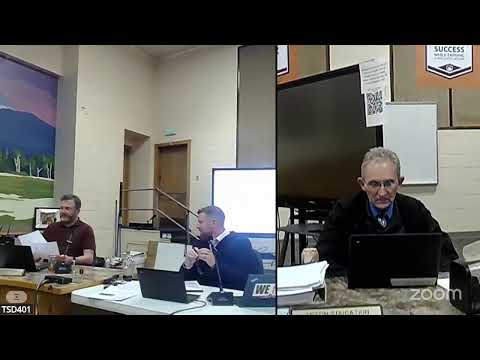
The Teton County District school board voted to move forward with a one-year pilot of a school impact-fee/donation program intended to close the short-term gap between development and property-tax revenue reaching the district.
Board members and staff discussed competing fee models and a consultant report packet before the motion. The superintendent said the mitigation donation “is meant to cover the gap” between when a subdivision is approved and when newly built homes are reassessed and begin to contribute property taxes; in his words, the funds are intended “to maintain our current level of service. It is not meant to develop us beyond.”
Trustees debated whether to set a modest, optional contribution to encourage participation or a higher fee that would more fully reflect projected costs. One board member argued for a cautious pilot, saying, “Trying something out for a little while that’s doable” would let the district test uptake and adjust the approach after collecting real data.
Several trustees raised concerns about the consultant report used to estimate fees and asked for clearer documentation of methodology. Board members resolved that staff would coordinate with neighboring jurisdictions (cities and the county) to integrate collection practices where possible and return to the board with progress data after the pilot year.
The motion to proceed with the pilot plan passed on a voice vote. Trustees said they expect to use the pilot’s outcome to refine fee levels, update outreach materials to explain the fee’s purpose to developers and the public, and, if necessary, adjust rates or implementation details after the initial period.
Next steps: staff will share proposed language with municipal partners, incorporate feedback from the district’s legal counsel and planning partners, and present a progress update at the next board meeting.