Lifetime Citizen Portal Access — AI Briefings, Alerts & Unlimited Follows
Court of Appeals weighs challenge to termination of father's parental rights in step‑parent adoption
Loading...
Summary
The Utah Court of Appeals heard argument over whether a district court properly terminated a biological father's parental rights in a step‑parent adoption, focusing on whether the trial court correctly labeled the father's contacts as 'token efforts' and whether the best‑interest inquiry required further fact‑finding or therapy before adoption.
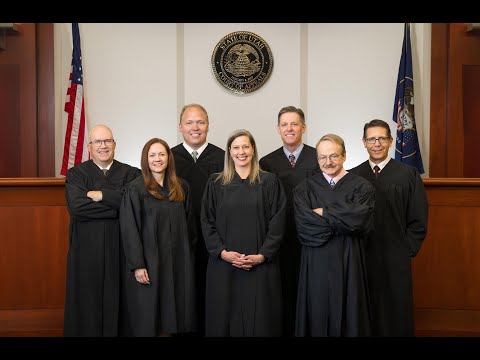
The Utah Court of Appeals heard live‑streamed oral argument on an appeal challenging the termination of a biological father's parental rights in a step‑parent adoption, during which counsel debated whether the trial court properly treated the father's limited communications as "token efforts" and whether the best‑interest analysis foreclosed therapeutic reunification.
Appellant counsel Lillian Reedy said the panel should consider the totality of the circumstances surrounding the father's lack of contact and the effect of his traumatic brain injury, arguing that the district court failed to probe why communication had lapsed and whether supervised, therapeutic reunification ordered by the court could address the children's fears. "If that therapeutic process doesn't work, then they can still request that, okay, now we're seeing that the harm..." Reedy said in rebuttal, urging the court to allow the reunification pathway to proceed.
Appellee counsel Julie Nelson responded that the court of appeals is not permitted to reweigh factual credibility findings and that the trial court reasonably concluded the father's weekly brief calls, late voice mails and limited travel amounted to token efforts insufficient to maintain a parental relationship. Nelson pointed to the trial judge's factfinding that the children — two of whom are identified in the record as autistic and that the youngest continues therapy — were afraid of the father and that reunification would cause "unnecessary trauma and pain." She stressed that the trial record showed opportunities the father did not take, including a prior in‑person visit and a later motion to enforce parent time.
Judges pressed both sides on two recurring questions: (1) whether deference to the trial court differs because this was a private adoption petition in district court rather than a state‑filed juvenile proceeding, and (2) whether appellate review can or should reexamine the trial court's 'token efforts' finding without improperly reweighing evidence. Counsel cited recent case law including In re Adoption of JE and other decisions referenced in argument as shaping the standards for when lack of contact may be excused (for example, incarceration or court orders) and when the record supports termination.
Panel members also examined evidence offered in the record: Reedy said the father's many weekly calls, voice mails and letters (she noted a large phone‑records exhibit) and continued child support showed ongoing effort and availability, while Nelson pointed to the father's limited in‑person contact, the timing of certain enforcement steps, and evidence that the youngest child developed post‑traumatic stress symptoms after an earlier removal by Idaho child protective authorities.
Both sides acknowledged that the trial court found the father "fit" at the time of trial but nonetheless concluded termination was "strictly necessary" from the children's perspective because of ongoing fear and the potential harm of forced reunification. The panel asked whether such past harms can justify termination when a parent later becomes able and willing to pursue reunification.
The court took the matter under advisement and said it would issue a written decision as soon as practicable.
This hearing centered on statutory interpretation of Title 80 (juvenile procedures) and Title 81 (adoption provisions) as invoked by counsel and on application of controlling precedents; the panel debated whether district‑court, private termination proceedings require different consideration than state juvenile proceedings and whether the appellate court may defer to factual findings about children's fear and trauma.
The Court adjourned after noting today's arguments were recorded and broadcast.