Get Full Government Meeting Transcripts, Videos, & Alerts Forever!
Get email alerts on the Residential Component topic
No spam. Unsubscribe anytime.
Parkland commissioners debate allowing limited residential in Village-in-the-Park RFP; no decision made
Summary
Commissioners discussed whether to allow proposers to include a modest rental residential component in Village‑in‑the‑Park proposals to support long‑term vibrancy and tax base stability, but they made no binding decision and directed the RFP to allow alternative proposals and community outreach.
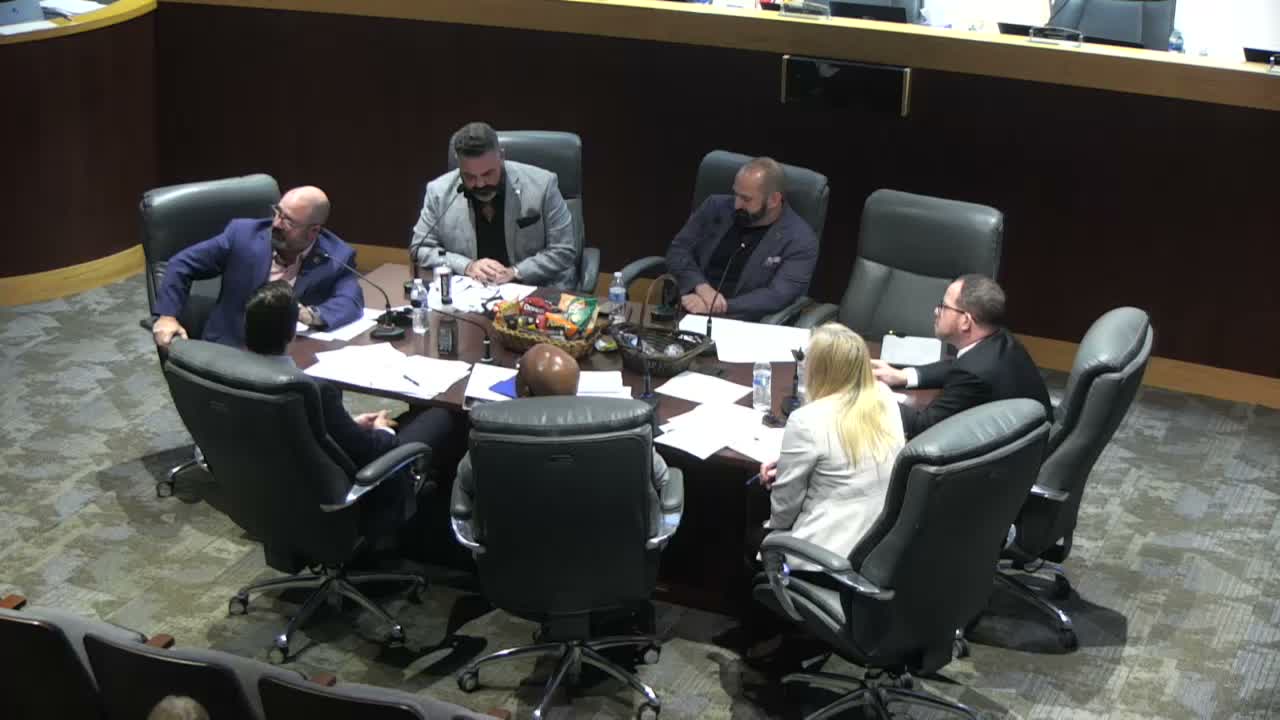
During the workshop discussion on the Village‑in‑the‑Park RFP, Nick Fanelli of JLL raised the possibility of permitting a limited residential component in proposals, framing it as a contingency if state tax reforms reduce municipal revenue. “Does the commission have an appetite for adding a piece of residential that's, rental as part of this, to help with the tax base…?” Fanelli asked.
Commissioner Israel (speaker 3) said he would like to see proposals that include residential options, arguing that people living above a village can add foot traffic and long‑term vibrancy: “I personally would like to see proposals with that.” Several other commissioners agreed that limited, well‑designed residential—if it were to be proposed—should feel consistent with Parkland’s character rather than creating a high‑density or visually incompatible project.
Vice Mayor Bridal expressed caution, noting that the city originally pursued the property to minimize residential density and warning that adding units could conflict with earlier promises to residents and potentially impact schools. Commissioners discussed protections such as minimum hold periods, rights of first refusal and restrictive covenants as mechanisms the city could require or negotiate if residential components were proposed.
Multiple commissioners emphasized community outreach and asked that the RFP require proposers to show how any residential would integrate with public space, maintain a Parkland aesthetic and include management plans that ensure long‑term upkeep. No vote or binding commitment on residential policy was made; instead, commissioners agreed the RFP should allow proposers to present residential alternatives for the commission and community to evaluate during future rounds.
The issue will be revisited after shortlisted teams present, when commissioners and staff have specific proposals and community feedback to consider.