Lifetime Citizen Portal Access — AI Briefings, Alerts & Unlimited Follows
Idaho ag forecasters warn crop sector squeezed while livestock receipts set records
Loading...
Summary
University and extension economists told the committee that Idaho’s livestock receipts are driving a record cash‑receipts year while crop producers face large global supplies, tight margins and increased lender stress; federal payments are unlikely to spur significant capital spending.
University and extension economists told the revenue assessment committee that agriculture remains a significant but uneven contributor to Idaho’s economy this year.
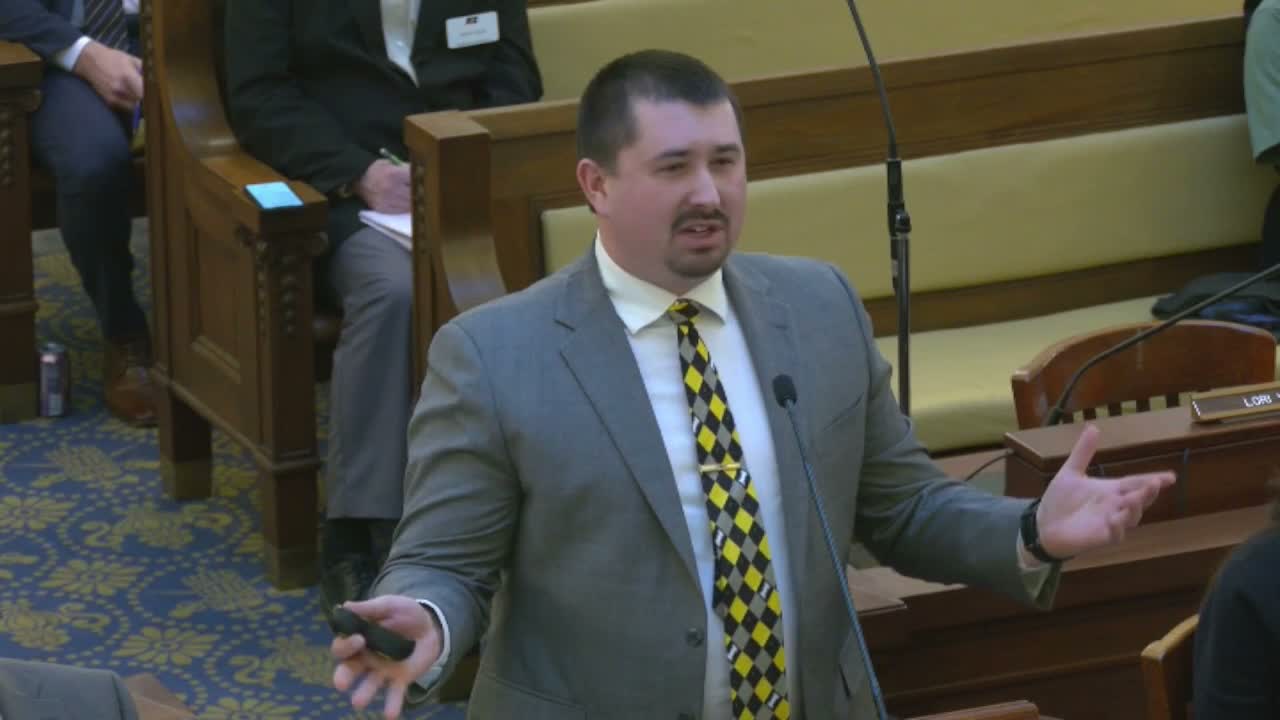
Brent Wilder, an extension economist at the University of Idaho, said statewide cash receipts could reach a record—driven primarily by livestock receipts (cattle and calves) that benefited from tight global inventories. "Cattle and calf receipts are at very high levels; livestock is carrying the numbers this year," Wilder said.
By contrast the crop sector faces an oversupply and weaker prices: Wilder said potato and sugar‑beet receipts were down and that global crop supplies remain large, making recovery in crop prices unlikely without a major supply disruption. He noted that higher interest expense and input costs are pressuring producers and that farm lenders in the Mountain States region report increasing renewals and extensions and lower repayment rates.
Wilder said some federal assistance in pending federal legislation could provide modest payments to Idaho producers (estimates range widely), but he warned most payments would likely cover current losses rather than fund new capital investment: "Those dollars are probably going to cover losses and pay down debt — not necessarily drive new capital spending," he said.
The committee heard that livestock receipts will likely retreat from highs but remain strong, while crop net incomes could remain under pressure for a year or two without large demand shocks.
Next steps: Ag forecasts will be folded into members’ revenue worksheets for tomorrow’s aggregation and vote.