Lifetime Citizen Portal Access — AI Briefings, Alerts & Unlimited Follows
D.C. Council approves amendment to ERAP reform bill, narrowing eviction rescheduling to approved applications
Loading...
Summary
The Council adopted an amendment in the nature of a substitute to the Emergency Rental Assistance Program (ERAP) Reform Amendment Act of 2025 that narrows eviction rescheduling to cases with approved ERAP applications, clarifies required documentation, and allows the rent-waiver defense on dispositive motions as well as at trial.
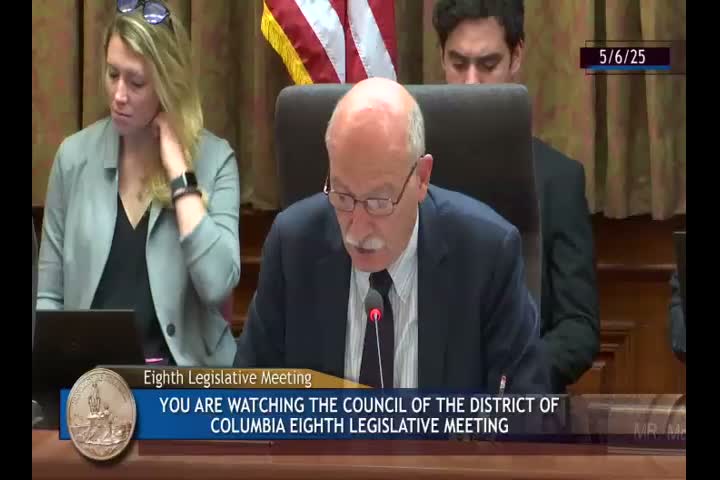
The Council of the District of Columbia on May 6 adopted an amendment in the nature of a substitute (ANS) to the Emergency Rental Assistance Program Reform Amendment Act of 2025, aiming to streamline ERAP administration and balance tenant protections with housing-provider certainty.
Councilmember Brooke Fruman, who moved the ANS, said the substitute reflects three months of stakeholder work with housing providers, tenant advocates and eviction-court practitioners and makes four principal changes: it clarifies what payment documentation housing providers must provide to satisfy ERAP applications; it limits eviction rescheduling so only tenants with approved (not pending) ERAP applications may reschedule eviction hearings; it changes a provision from “shall” to “may” to clarify judicial discretion on past-due-rent waivers; and it permits rent-waiver defenses to be raised on dispositive motions that can resolve an entire eviction case rather than only at trial. “This ANS returns ERAP to its original limited purpose of providing emergency assistance, make our district dollars go farther, and make our district courts fairer,” Fruman said.
Supporters urged the ANS as a pragmatic compromise. Councilmember Parker praised Fruman’s outreach and said the changes strike a better balance between tenant and property-owner interests while preserving judicial authority to stay proceedings when appropriate. Councilmember Robert White said his team had fought to add funding for ERAP and underscored that the program should remain targeted to households whose arrears can be remedied with the program’s aid.
Opponents cautioned that the ANS could reduce tenants’ leverage. Councilmember Lewis George cited the Regulatory Impact Analysis (RIA), saying it warned the changes could harm housing outcomes for Black, Latino and other low-income residents and that narrowing rescheduling could leave some tenants more vulnerable. “Residents’ need for rental assistance is still an ongoing need in the district,” Lewis George said, adding concern that ERAP might be used more broadly than originally intended.
Fruman responded that the bill preserves a new rent-waiver defense intended to drive landlord compliance with ERAP, and that changes—including restricting rescheduling to approved applications—strike a better balance between preventing unnecessary burdens on housing providers and protecting tenants. After brief rebuttal and discussion, the Council voted to adopt the ANS and then approved the bill as amended; a single recorded dissent was entered for the final vote (Councilmember Lewis George recorded as no). The Chair stated the bill was approved for final reading.
The ANS’s changes aim to reduce unnecessary delays in eviction proceedings, clarify documentation requirements for housing providers, and create a clearer path for courts to dispose of eviction cases via dispositive motions when appropriate. The legislation’s next administrative and implementation steps were not specified at the meeting.