Lifetime Citizen Portal Access — AI Briefings, Alerts & Unlimited Follows
House passes bill to guarantee loan for Bay Area Hospital, drawing heated debate over education funding trade‑offs
Loading...
Summary
Lawmakers approved House Bill 4,075 to let the state guarantee up to $44 million in loan refinancing for Bay Area Hospital using unclaimed‑property/common school fund resources; supporters warned of service loss without action while opponents raised precedent and education funding concerns.
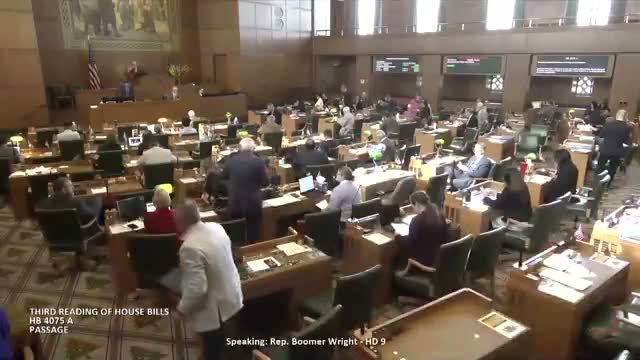
The Oregon House voted to approve House Bill 4,075 on March 5, a measure that authorizes the Department of Treasury to guarantee a loan of up to $44 million to help Bay Area Hospital refinance debt and avoid a service downgrade.
Representative Noss, a co‑carrier, and Representative Wright, who led the floor debate for the measure, described Bay Area Hospital as the South Coast’s largest employer and the only full‑service hospital in the region, serving hundreds of miles of coastline. “Ensuring that hospital is properly staffed, well funded, and operating to full capacity is how we protect our youth,” Representative Wright said.
The bill would use unclaimed property or estate funds associated with the common school fund to secure the loan; supporters said that structuring a guarantee will let the hospital refinance at manageable terms, preserving obstetrics, cardiac and trauma services and avoiding forced conversion to a smaller ‘Type A/B’ license with reduced services. Representative Evans and others emphasized the hospital’s regional importance and argued that the fiscal and human consequences of inaction would be severe.
Opponents — including Representatives McLean and others — argued the move undermines the purpose of education funding and could set a risky precedent. McLean and others cited fiscal analyses and court decisions from other states that raised legal risk when unclaimed property funds were reallocated, and noted the Treasury and LFO analyses showing potential multi‑million dollar impacts to school distributions.
Floor discussion included technical questions about hospital classification, DRG reimbursement, the mechanics of loan guarantees, and alternatives that had been proposed (including use of rainy‑day funds). Several members sought amendments to source funding; one procedural amendment using a different fund was described as proposed but not adopted on the floor.
After lengthy floor debate that included personal testimony about local health access and the hospital’s economic footprint, members voted to pass HB 4,075 A. The clerk declared HB 4,075 A passed by constitutional majority. Supporters said follow‑up oversight and transparency requirements will be important; critics urged the Legislature to find a long‑term statewide solution for rural hospital stability rather than ad hoc fund draws.